

Outdoor Cameras
-
Product
range - Guide

















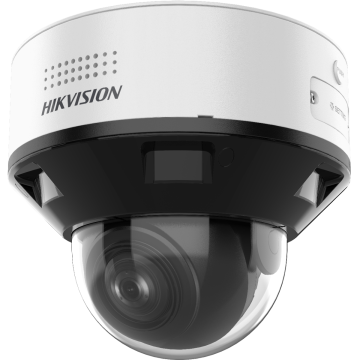

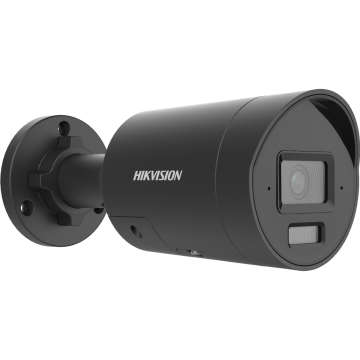

GUIDE
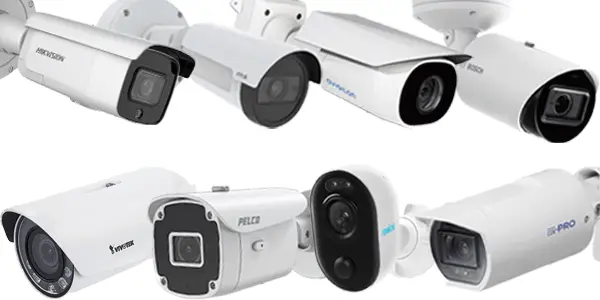
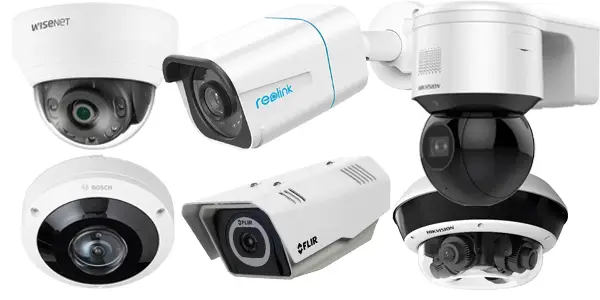
Latest News on Outdoor Surveillance Cameras
 Security Essen 2026: Is Europe prepared for new threats?
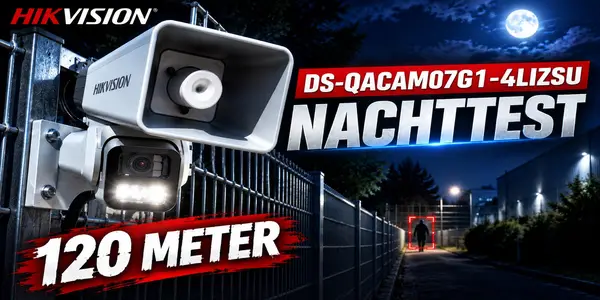 Hikvision Camera DS-QACAM07G1-4LIZSU in the German Protect Night Test
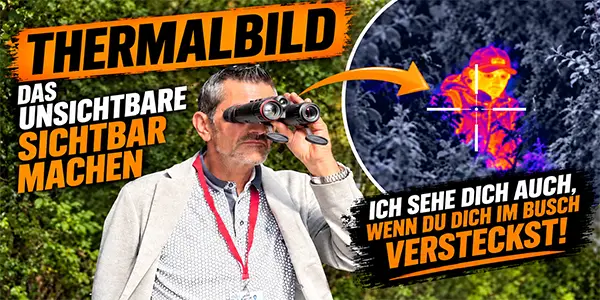 High-Tech in Action: Police and Emergency Services
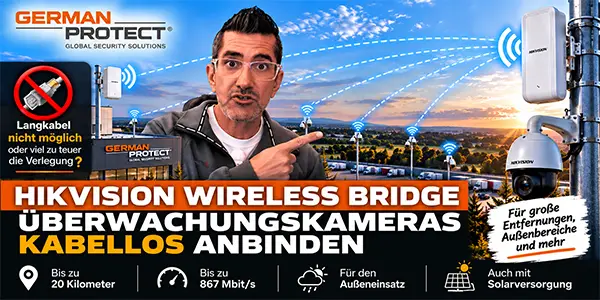 Hikvision Wireless Bridge: Connecting Outdoor Cameras Wirelessly
 Mobile Video Surveillance in Public Spaces for Cities and Municipalities
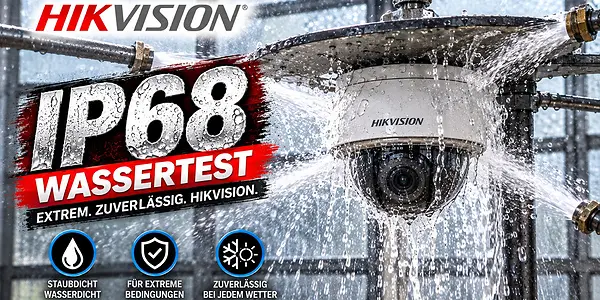 IP66, IP67 and IP68 Protection Ratings Explained in a Surveillance Camera Test
Frequently Asked Questions (FAQ)
What is an outdoor surveillance camera?
An outdoor surveillance camera is a camera specifically designed for outdoor use that meets the criteria required for this depending on the application, such as a classification according to IP65 (water resistance) or IK (protection against vandalism), or heating and infrared for night operation. Meeting these criteria contributes significantly to the operational reliability and longevity of the camera. An outdoor surveillance camera must be able to cope with various weather conditions and always deliver reliable images. For cameras used outdoors, a wide range of mounting accessories is available for different installation locations, such as wall mounting, pole mounting, or ceiling mounting. This accessory enables a versatile installation tailored to the respective outdoor use, allowing reliable adaptation to constantly changing weather conditions or different application scenarios.
Which surveillance camera do I need for the garden?
For use in the garden, the bullet design is the best suited surveillance camera. Thanks to its robustness, and because the infrared illuminators are located outside the lens, such cameras do not produce light cones at night and offer reliable functionality. This design is also suitable for different infrared ranges in terms of the cost-benefit ratio. For moving images, PTZ cameras that can pan, tilt and rotate 360° are also recommended.
Outdoor camera: Wi-Fi or cable?
In principle, it is recommended to install a wired outdoor camera wherever the mounting options on site allow it. It offers higher operational reliability and security. Wireless transmission depends on many criteria that are not immediately identifiable, such as stable signal strength and local conditions like the construction of the walls. Likewise, Wi-Fi outdoor surveillance cameras are significantly disadvantaged in megapixel count due to the wireless transmission . Wi-Fi transmission also very often causes latency in the recordings.
Connecting an outdoor camera via cable is more secure and reliable against hacking attacks and offers far more options than transmission via Wi-Fi
What advantages does an outdoor surveillance camera offer?
With an outdoor camera, you can conveniently keep an eye on the entire outdoor area, for example while on vacation, and receive push notifications on your phone warning you of possible intruders. An outdoor surveillance camera keeps watch over everything that happens around the property and guards the outdoor area accordingly. An outdoor surveillance camera raises the alarm before an intruder reaches the house and can, for example, damage a window.
What am I allowed to film with an outdoor camera?
An outdoor camera may not capture anything beyond your own property within its field of view (image area). Neighboring properties and public areas such as sidewalks, streets and parking lots may not be filmed. Audio recordings are generally prohibited.
May an outdoor camera be swivel-mounted, or must it be installed fixed?
An outdoor camera may of course be swivel-mounted, as long as its field of view in pan, tilt and zoom mode stays within your own property. If this is not the case, areas that do not belong to your property must be masked (made unrecognizable) in the camera's programming.
May I install a dummy camera?
In principle, yes, as long as it is not aimed at public areas such as sidewalks, streets and parking lots. The same rules and laws apply to a dummy as to a real surveillance camera. A dummy camera makes no sense in video surveillance, since many offenders can recognize it as a dummy, so the expense is not worthwhile.
Must I post a notice about a surveillance camera?
A notice about a surveillance camera must always be posted, especially in visible areas. The sign “Warning: Video Surveillance” must be displayed before a person has the opportunity to enter the property or building. This way, the person can decide beforehand whether they want to be seen or filmed.
When must I delete the recordings?
For private use, such as a single-family home, there are no legal requirements as long as the video recordings cover only your own property. Audio recordings are generally not permitted. For commercial and public areas, data from video surveillance may be stored for a maximum of 72 hours. In special cases and under certain circumstances, storing video recordings for up to 10 days is permitted. Such video recordings must be approved and documented in writing by a data protection officer.
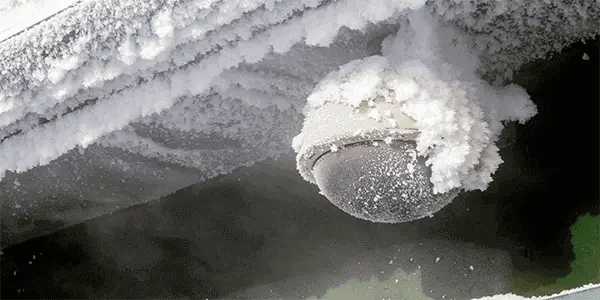

The window heater for outdoor cameras heats the glass in front of the lens, which prevents it from icing over. Iced-over camera windows (see Figure 4) can impair IP outdoor cameras so severely that a clear surveillance image is no longer possible.
Ventilation in an outdoor surveillance camera helps prevent condensation (see Figure 5) from forming inside the camera housing and stops the lens (objective) from fogging up. Especially at night when infrared illuminators are in use, even the slightest fogging of the lens can lead to blurry surveillance images (see Figure 6). Camera ventilation is an important component, especially at temperatures below -5 degrees Celsius combined with sudden sunlight and therefore rapidly rising temperatures, to keep the outdoor surveillance camera from fogging up.
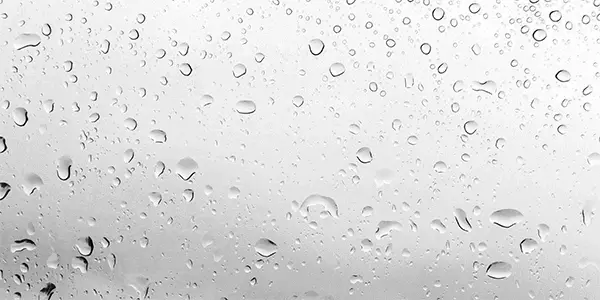
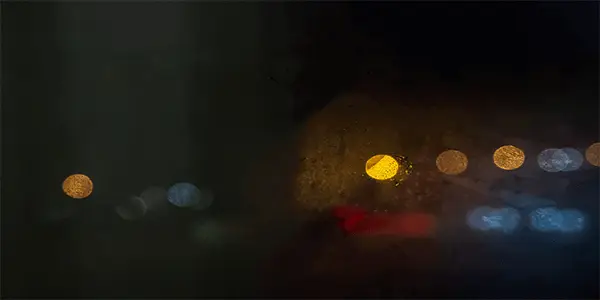
Both rapid temperature rises and rapid cooling contribute to condensation inside a camera. A first sign of condensation inside an outdoor surveillance camera is the sudden fogging of a lens. This can have two causes. Either the camera, if it has no ventilation, is not suited to the local weather conditions, or the camera is leaking due to incorrect installation. Rapid temperature fluctuations should not be taken lightly. Such weather conditions can also result from the constant climate changes that now take place almost everywhere.
Good Night Vision for Optimal Surveillance Images at Night
Another relevant factor for a good outdoor camera is image quality at night, when most break-ins occur, which makes reliable surveillance images all the more necessary.
Because of this security-relevant aspect, surveillance cameras for outdoor use are usually equipped with infrared illuminators as well as white light spotlights (see Figure 7).
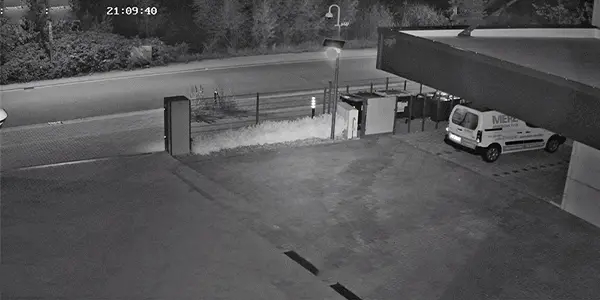
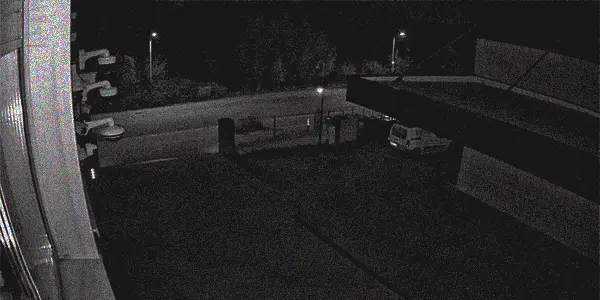
But beware! Outdoor cameras in the low price range up to 150 euros are often equipped with inferior infrared illuminators that either do not evenly illuminate the field of view (FoV – Front of View), so the surveillance image is too dark
(see Figure 8), or they illuminate too strongly and the surveillance area is overexposed (see Figure 9). Important for video surveillance outdoors is that potential intruders are also recognizable in the surveillance images at night.
The range of the infrared illuminators must also be considered, which for conventional outdoor surveillance cameras is between 25 and 30 meters.
For this reason, outdoor cameras from established manufacturers at a price level of 250 euros and above are equipped with Smart IR functions, which enable automatic control of the infrared illuminators so that people can be clearly identified (see Figure 10).
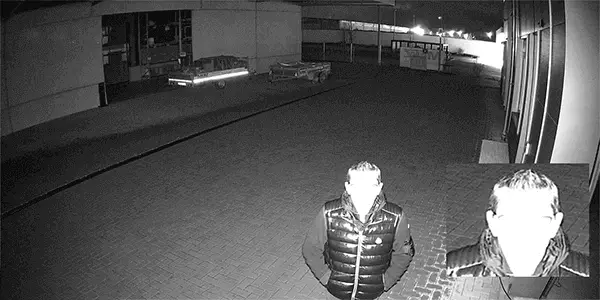
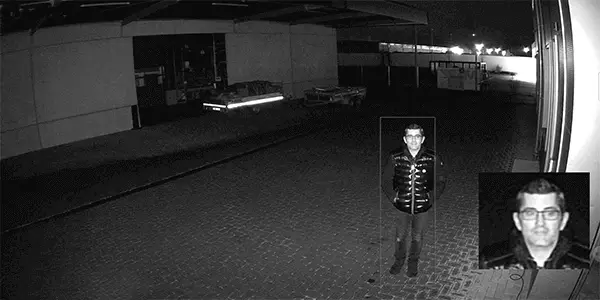
Optimal resolution for efficient surveillance images when it matters most
Depending on the purpose of the video surveillance, the resolution of the outdoor surveillance camera can be security-relevant so that optimal surveillance images can be produced with an outdoor camera.
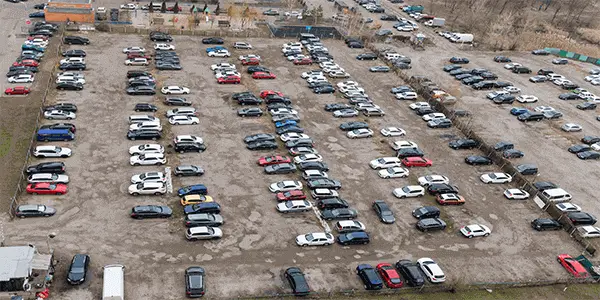
Especially for video surveillance applications such as parking lot monitoring (see Figure 11), where depth of field plays a decisive role for a wide-area situational overview, the quality of the resolution (see Figure 12) at long distances is fundamentally important.
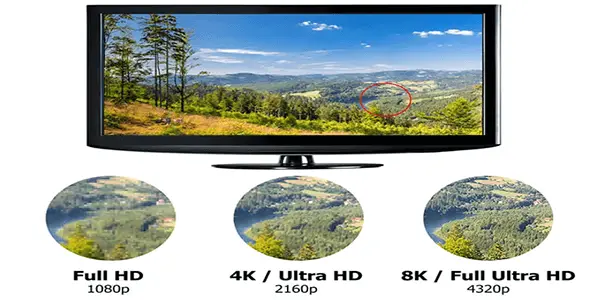
To illustrate the importance of resolution for professional video surveillance, we show you two surveillance images with different resolutions of 2 megapixels (see Figure 13) and 4 megapixels (see Figure 14), each taken at the same distance and camera position.
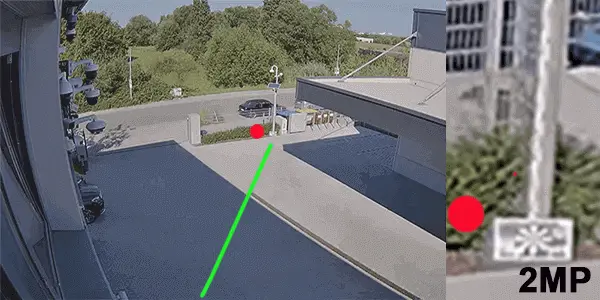
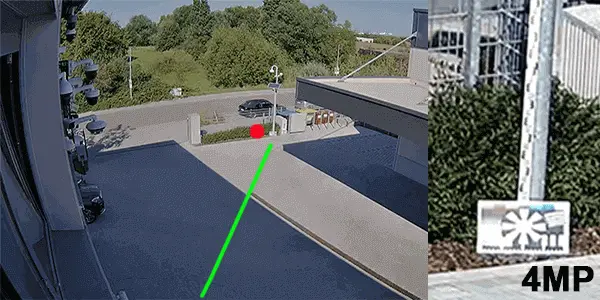
Since outdoor surveillance cameras usually have to cover larger surveillance areas than indoor surveillance cameras, a resolution of at least 2 megapixels (Full HD) is recommended for video surveillance for outdoor use.
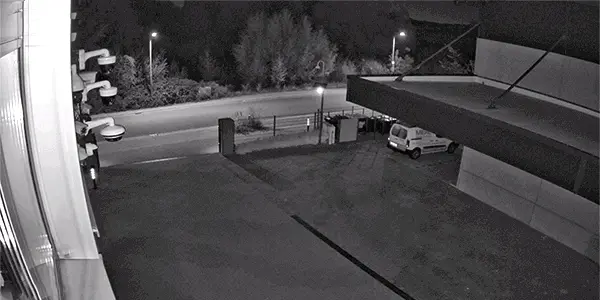
Modern video surveillance technology offers resolutions for outdoor cameras from 1 megapixel up to 32 megapixels. However, it should be noted that the higher the resolution of a surveillance camera, the more light it needs at night to produce a clear, high-resolution surveillance image. The image sensor of the surveillance camera is a key factor here. The rule is: the larger the image sensor, the more light-sensitive it is and the more effective it is at producing optimal, high-resolution and evenly exposed surveillance images at night. The following figures show, on the left (Figure 15), an example of an 8-megapixel / 4K IP outdoor camera in the low price range, which delivers an acceptable image during the day but completely fails at night due to its too-small image sensor (1/4-inch) at this high resolution. The image on the right (see Figure 16) also shows an outdoor surveillance camera with a resolution of 8 megapixels / 4K, but this one has a 1/2-inch image sensor. The qualitative difference is clearly visible. So don't forget: resolution is not everything. A good outdoor surveillance camera should also work optimally at night, when most break-ins occur.
Motion Detection and Control via App
Due to the rapid technological development in recent years, modern outdoor cameras are equipped with AI (artificial intelligence). Thanks to these features, which are especially relevant for video surveillance for outdoor use, good IP outdoor cameras achieve comprehensive outdoor monitoring with a low false alarm rate, which can be considered quite comparable to an alarm system. Alarm functions such as line crossing detection, motion detection and motion analysis (see Figure 17) are nowadays standard features of a good surveillance camera for outdoor use.
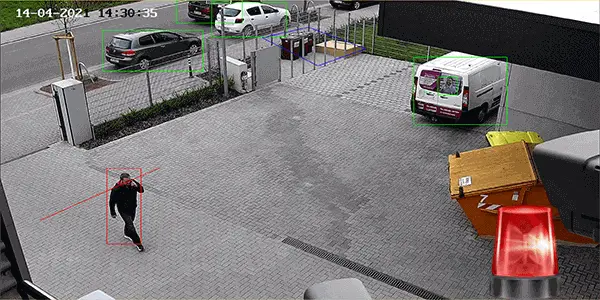

In addition, modern outdoor cameras offer many convenient ways to access and view the surveillance images live from a smartphone or tablet, regardless of location. (see Figure 18) Such modern features are especially advantageous for private video surveillance for outdoor use. For example, homeowners can keep an eye on their entire property from anywhere in the world and are notified immediately in the event of an alarm (see Figure 8).
Surveillance Camera for Outdoor Use in Commercial Applications
The use of outdoor cameras for commercial properties and production facilities offers an effective solution today, using advanced technology, to optimally protect all critical points in outdoor areas against unauthorized access. Especially for businesses that store valuable goods outdoors (see Figure 19), perimeter surveillance with the help of intelligent outdoor surveillance cameras can save considerable costs by minimizing theft of goods and damage to merchandise.


Long-standing challenges such as deliveries from suppliers (see Figure 20), which most commercial businesses face every day, can also be efficiently optimized with modern video surveillance. Today, the use of intelligent outdoor surveillance cameras at critical points such as loading docks in the receiving area is standard equipment in many businesses. Loading and unloading processes can be monitored in precise detail, documented, and traced at any time using video recordings.
In addition, modern outdoor cameras can be used not only for video surveillance but also for prevention.
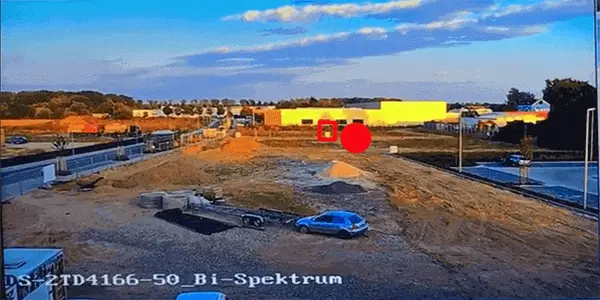
Thanks to rapid technological development in surveillance cameras and video surveillance, modern outdoor cameras are equipped with AI (artificial intelligence), which makes them many times faster at hazard detection than any human eye. Hazards such as early fire detection on premises used outdoors or in warehouses (see Figure 21) are no longer a technical challenge today, with the help of specialized outdoor surveillance cameras such as thermal imaging cameras or bispectral cameras (see Figure 22).
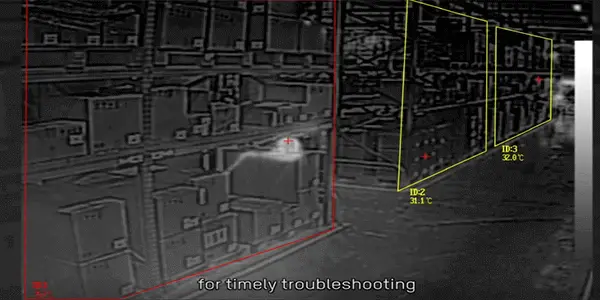
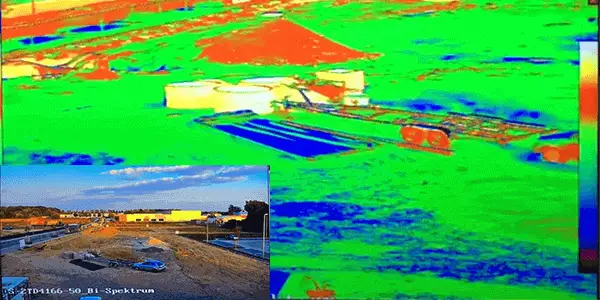
Especially in perimeter surveillance, where intruders must be reliably detected even over longer distances (see Figure 23), but a standard outdoor surveillance camera (see Figure 24) can no longer see anything, outdoor cameras with bispectral technology are an efficient solution.
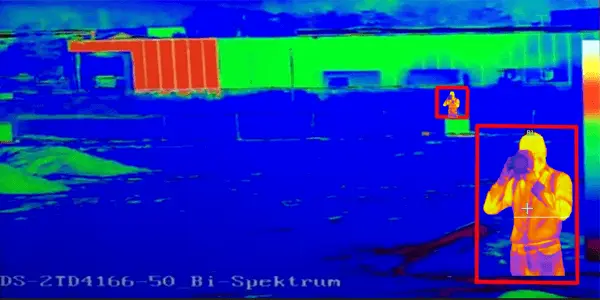
Our Expert Tip! For industry, businesses and government agencies, video surveillance, especially for outdoor use, is a recurring security question today, which further highlights the growing urgency of this topic. The benefits businesses gain from modern IP video surveillance are in no way proportionate to the acquisition costs. In addition, modern video surveillance with IP outdoor cameras provides a permanent and effective security solution 24 hours a day, 365 days a year. It not only remains constantly vigilant, but may also reduce costly security personnel under certain circumstances.
However, we recommend that our customers, before purchasing, seek qualified consultation and planning for outdoor surveillance from ESA GmbH German Protect, a certified specialist installer for security technology and video surveillance. Today, countless manufacturers offer outdoor cameras in large quantities for a wide range of applications. To implement efficiently functioning video surveillance for outdoor use, the selection of the right outdoor surveillance camera for the required application is always decisive. Outdoor surveillance involves different image scenarios with different tasks for which the outdoor surveillance camera is deployed. To ensure these tasks are carried out reliably, it is essential to make sure the outdoor surveillance camera is also suited to them. To illustrate this again, for example, an outdoor surveillance camera needs very different technical features to read a license plate at night than a surveillance camera that provides an overview of a situation.
Outdoor Cameras for Private Use.
Comprehensive video surveillance (see Figure 25) of the garden, house or garage in outdoor use, using intelligent outdoor cameras, significantly increases the safety of residents and homeowners.
Especially during vacation periods, most homeowners realize how valuable an investment in an outdoor surveillance camera actually is for peace of mind.
In addition to its main task of providing a constant overview of the house and garden, the modern outdoor surveillance camera keeps a watchful eye over property and belongings and deters burglars (see Figure 26).
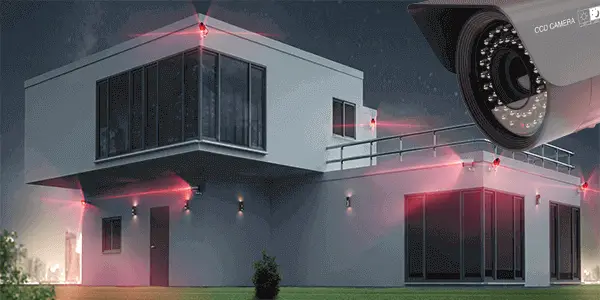
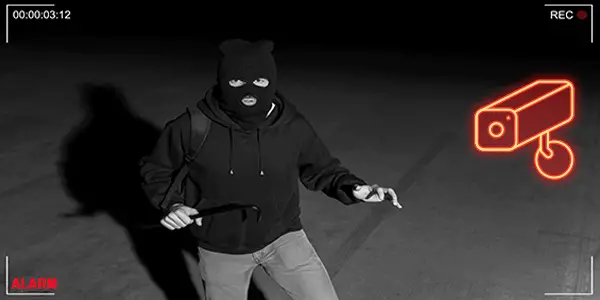
Supported by state-of-the-art technologies, outdoor cameras today are equipped with intelligent motion detection and analytics functions, which enable reliable alarm notification in outdoor use. Advanced alarm functions such as Line Crossing or Intrusion Detection (intrusion detection) allow the homeowner to receive timely information about potential dangers on their property via APP (see Figure 27) on their smartphone. Viewed this way, the video surveillance system can not only visualize events around the house but also serve as an alarm system for outdoor use.
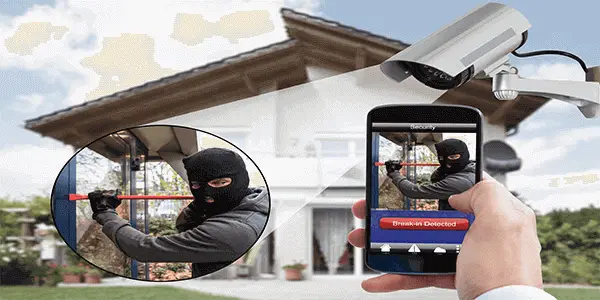

The live images of one or more outdoor cameras can also be conveniently viewed simultaneously via APP on a smartphone, tablet or notebook from anywhere in the world (see Figure 28).
This allows the owner of the video surveillance system to get a live overview of events on their property at any time. Remote access to video surveillance recordings via APP is also possible, but depends on the upload speed of the local internet connection as well as the current internet speed of the mobile phone.
Network Integration of Outdoor Cameras via LAN or WLAN
In principle, modern video surveillance allows both transmission types to be used for outdoor cameras. Both transmission types have advantages and disadvantages.
While the wired connection via LAN (Ethernet) offers several advantages, such as power supply via PoE (Power over Ethernet) and a secure connection, it entails greater installation effort. Wireless transmission via WLAN is merely more convenient, but less secure and more susceptible to hackers and electromagnetic interference. It should not be forgotten that an outdoor surveillance camera is a security component.
In addition, the quality of WLAN transmission always depends heavily on the structural conditions on site. Poor signal quality can lead to considerable latency (delays) in the surveillance image.
Therefore, in professional video surveillance, the use of WLAN cameras is only recommended if cabling via LAN is not possible.
Important Installation Criteria for an Outdoor Surveillance Camera
The efficient functionality of an outdoor surveillance camera depends on correct installation.
The mounting height plays a decisive role in the surveillance image. Surveillance cameras mounted too high produce a bird's-eye view (see Figure 29), which makes identifying people in the surveillance image nearly impossible. Another cause of a bird's-eye view in the surveillance image is a tilt angle that is too steep (see Figure 29.1) on the outdoor surveillance camera.
Surveillance cameras mounted too low are vulnerable to damage and tampering.

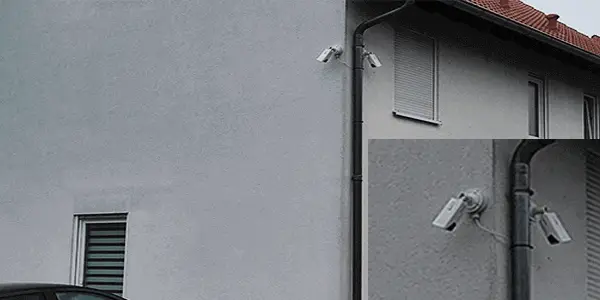
The optimal height is between 2.75 and 3.50 meters (see Figure 30), depending on the tilt angle of the surveillance camera.
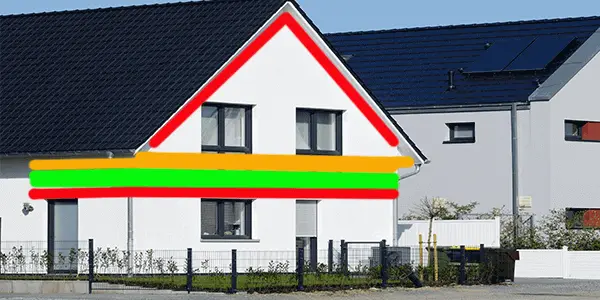
The red area (see Figure 31) indicates an unsuitable height for the surveillance camera. The yellow area is only conditionally recommended. The green area corresponds to the optimal height.
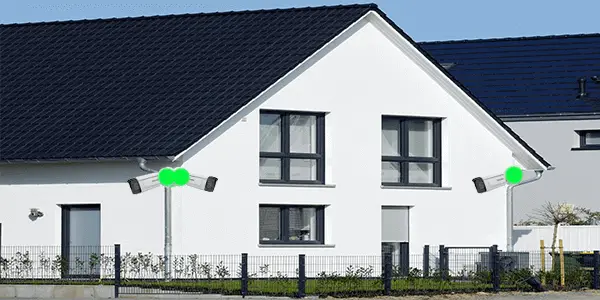
Depending on the mounting location and application, suitable outdoor cameras with suitable mounting accessories should be used accordingly.
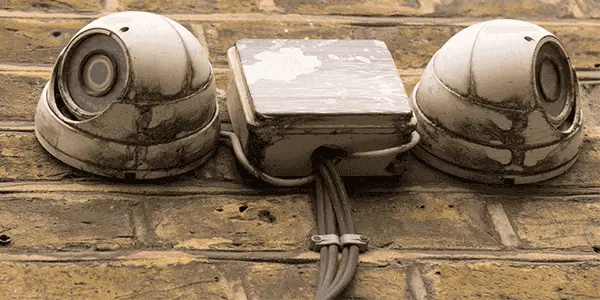
Especially when mounting a dome camera vertically for outdoor use, dirt on the dome must be avoided at all costs (see Figure 32). The use of camera accessories, such as a rain cover in this case (see Figure 33), plays a decisive role.
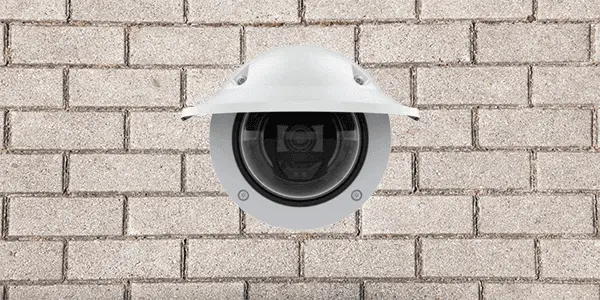
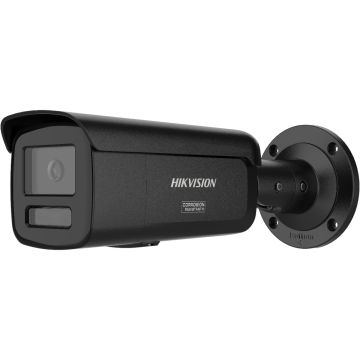
In professional outdoor surveillance, bullet cameras (see Figure 34) are generally recommended over dome cameras in the form of a bullet camera.
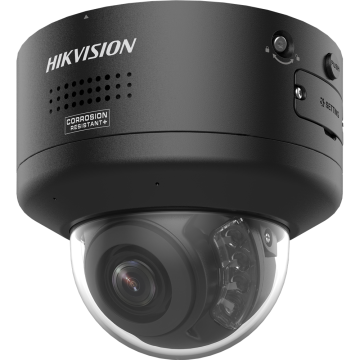
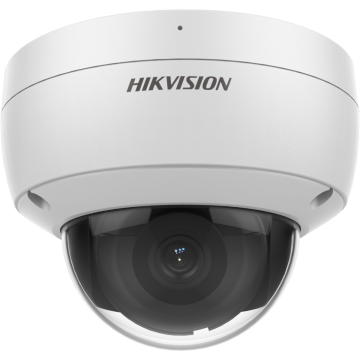
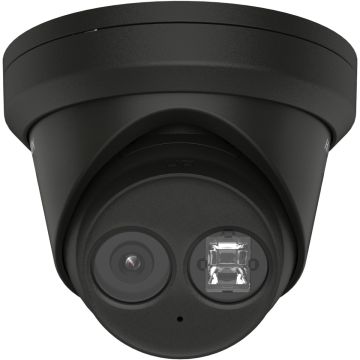
Due to their dome, dome cameras are considerably more susceptible to dirt than bullet cameras. Especially in outdoor use during nighttime operation, when the infrared emitters, which are located inside the dome in most dome cameras, are switched on, dirt on the dome can cause strong light reflections. If aesthetics and inconspicuousness matter when selecting an outdoor surveillance camera, we recommend using a turret camera (see Figure 35).


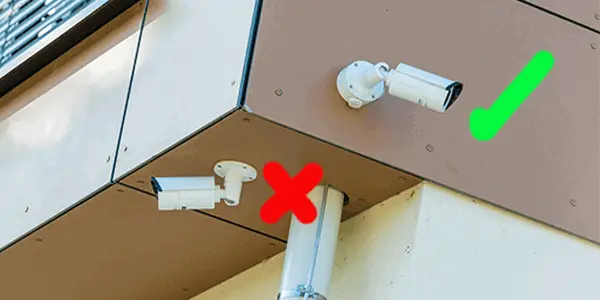
Regardless of the design of the outdoor surveillance camera, for outdoor installation it is generally recommended to use the mounting accessories recommended by the manufacturer. This recommendation also applies when the outdoor surveillance camera appears to be protected from direct rainfall (see Figure 36). Humidity alone can often contribute to the failure of an outdoor surveillance camera.

Even with PTZ 360° cameras (see Figure 37), which cannot be mounted at all without mounting accessories, care should be taken to ensure professional installation by firmly mounting all components together. Since PTZ 360° cameras, unlike other outdoor cameras, can be mounted at greater heights, the risk of accidents also increases. In addition, PTZ 360° cameras are movable, which causes vibrations that can affect the mount in addition to weather conditions such as wind.
For video surveillance to deliver effective results, the associated components, such as the outdoor cameras, should be protected against tampering and vandalism.
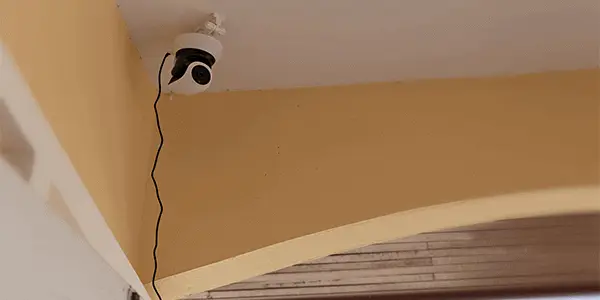
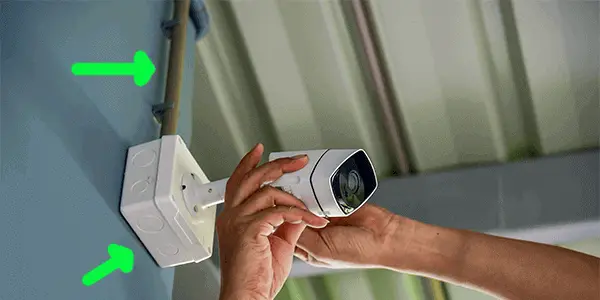
In particular, loose cables hanging out of the surveillance camera (see Figure 38) give an intruder an easy way to disable the outdoor surveillance camera with just a few movements. If the outdoor surveillance camera is installed properly, with the connection cables protected by a junction box or metal conduit (see Figure 39), tampering becomes considerably more difficult.
What to keep in mind for video surveillance in outdoor areas.
When it comes to video surveillance in outdoor areas, particular attention should be paid to the right to informational self-determination and the right to one's own image. Lawmakers distinguish between private and commercial video surveillance when it comes to the operator's obligations. In general, both types of video surveillance are permitted to film one's own property, as long as people, vehicles and driveways of neighboring properties are not captured. If it is not possible to mount the outdoor surveillance camera so that neighboring properties are not captured, those areas can be privacy-masked (made unrecognizable) in the camera settings. The privacy masking must be permanently configured in both the live view and the recordings.
It is prohibited to capture or film public sidewalks, as well as roads and parking lots, with video surveillance. This also includes shared parking lots of a residential complex that are located outside your own property.
For commercial video surveillance, there is generally an obligation to inform people about the permanent monitoring and video recording and their purpose. Depending on the size of the property and its access points, the operator of the video surveillance system is required to post one or more warning notices in a clearly visible location. The warning notices must include information such as: who is responsible for video surveillance at the business (last name, first name, phone number and email), the purpose of the video surveillance, and how long data is stored (see Figure 40).
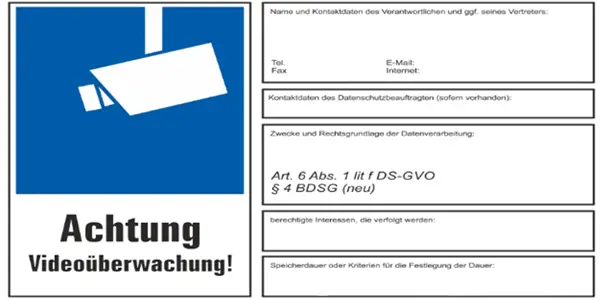
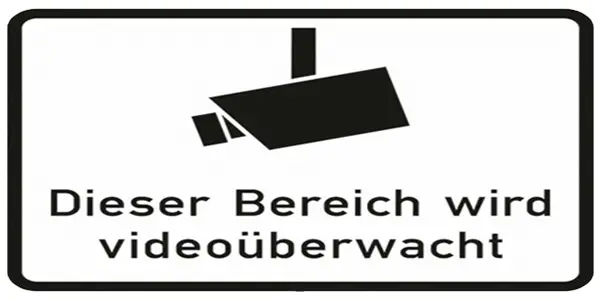
With private video surveillance, this notification requirement does not necessarily apply as long as the private property is fenced in and not publicly accessible. If private video surveillance is used to prevent break-ins and theft, we recommend complying with the notification requirement by using warning signs. If a break-in occurs and the video footage is made available to the police, the footage is not GDPR-compliant without a warning sign and can be challenged in court. In general, we also recommend posting warning signs at the entrance area for private video surveillance. If private video surveillance involves a shared building with several households, the notification requirement applies again. In this case, the private notification requirement (see Figure 41) does not need to be as detailed as for commercial video surveillance; a warning notice in the form of a pictogram is sufficient.
Warning signs about video surveillance serve to inform visitors who do not want to be filmed in good time. Publishing any type of surveillance video without the consent of everyone shown in it is prohibited.
Purchase criteria for a suitable outdoor surveillance camera and what matters
Video surveillance for outdoor use presents an outdoor surveillance camera with particular challenges, such as constantly changing weather and lighting conditions or different alarm functions, which it must handle permanently and reliably. The basic equipment of a good outdoor surveillance camera includes an IP protection class from IP65, impact resistance of at least IK08, an infrared range of at least 25 meters, and an image resolution from 2 megapixels. The size of the image sensor should also be considered, and it should be at least ½" (inch). For outdoor cameras with a 4K UHD resolution, an image sensor size from 1/1.8" is recommended so that the surveillance camera can also deliver clear, high-resolution surveillance images at night.
Most operators of a video surveillance system have high expectations of the outdoor surveillance camera. The camera can only meet these expectations if it also has the necessary technical features. The more elaborate the equipment of the outdoor surveillance camera, the higher the acquisition costs. Misleading information from sales-oriented surveillance camera providers and sales platforms is often the cause of a wrong purchase for end consumers. If the outdoor surveillance camera is purchased for self-protection, whether privately or commercially, we recommend reputable and sustainable manufacturers as well as qualified advice in advance. In addition, the outdoor surveillance camera should also be suitable for the intended application so that video surveillance is ultimately effective. The requirements for an IP dome camera to optimally cover the application areas, specifically for outdoor use, are often different. For example, monitoring an area of 50 x 50 meters places a very different technical requirement on the outdoor surveillance camera than an area of 30 x 20 meters.
Therefore, pay attention to where you buy the outdoor surveillance camera, whether the seller has the necessary qualifications, and above all whether support is offered after purchase in case problems arise. Purchases on large sales platforms or from unqualified online shops in particular can cause problems later on. Before buying an outdoor surveillance camera, find out about the provider's qualifications and certifications.
Our certified technicians for video surveillance and security technology at German Protect are happy to advise you, so that you too can find a suitable outdoor surveillance camera for your video surveillance.