

Smoke Detectors
-
Product
range - Guide
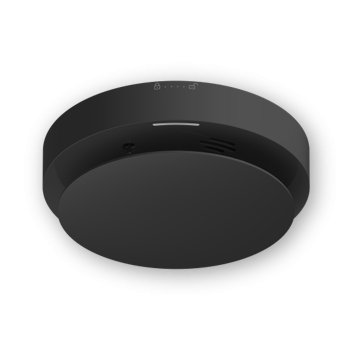

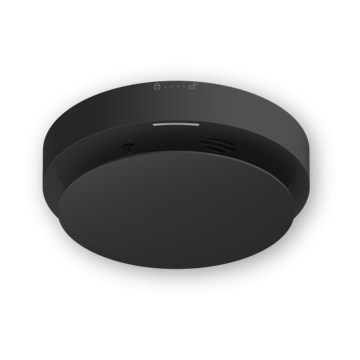
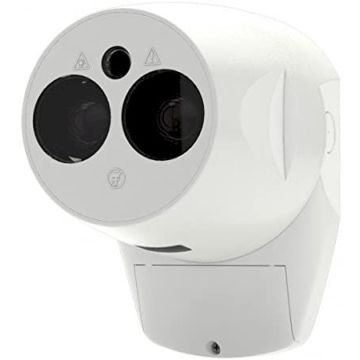

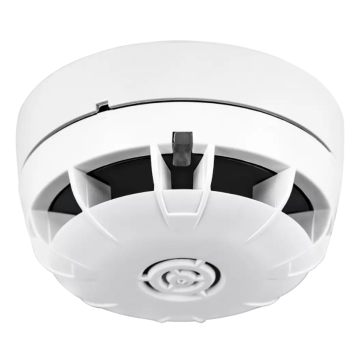
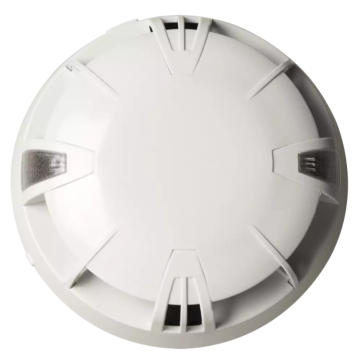
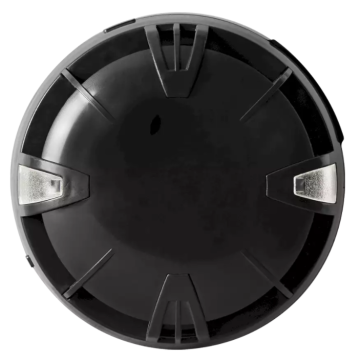


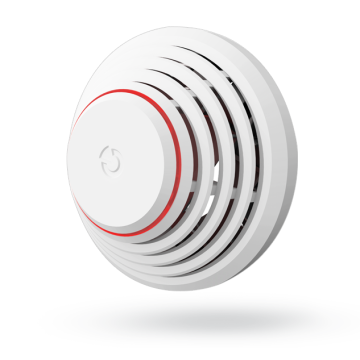
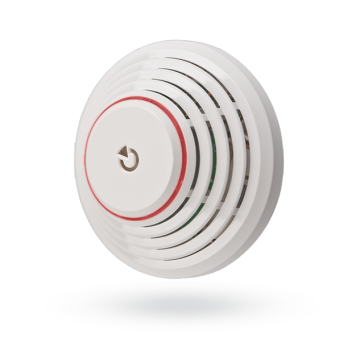

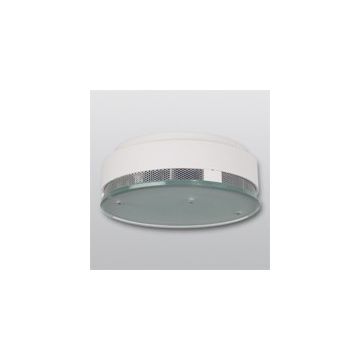
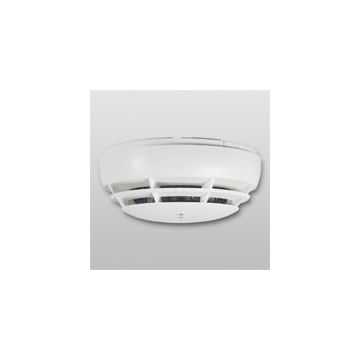
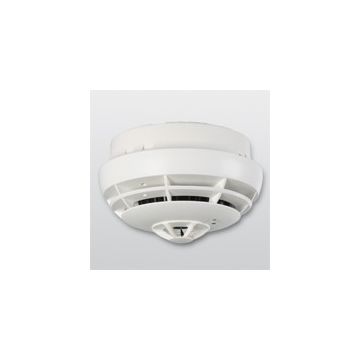
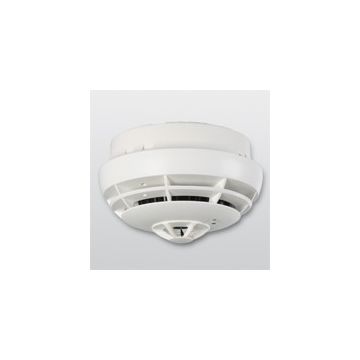
GUIDE
Smoke Detectors Save Lives
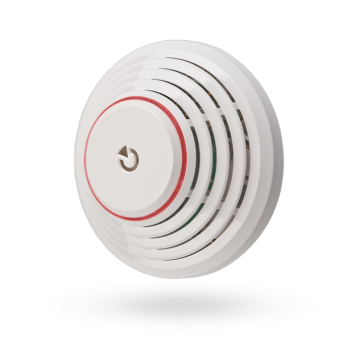
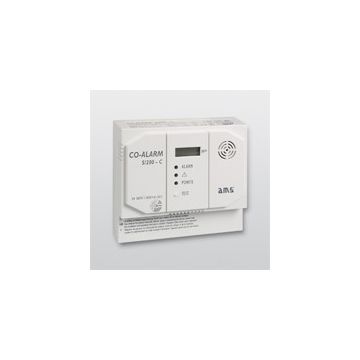
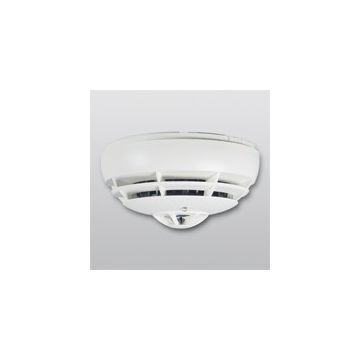
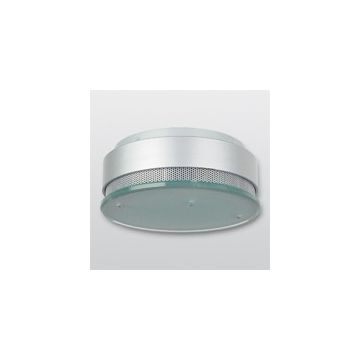
A smoke detector is a fire safety device that, in the event of a fire, detects the development of smoke as well as heat and carbon monoxide (Figure 1) and warns residents, visitors or employees of the danger in time.
The most insidious element of a fire in a house or apartment is carbon monoxide, which, according to fire department statistics, causes most residents to die long before the flames reach them, especially those who are sleeping (see Figure 2). Another vital function of the smoke detector is to indicate fire- and smoke-free escape routes for self-rescue in the event of a fire, when panic usually sets in.


FAQs About Smoke Detectors
In which rooms must smoke detectors be installed?
The number of smoke detectors required in each room is regulated by the state building codes of the individual federal states. In general, it is recommended to install smoke detectors in all rooms where people may spend extended periods of time. These include living rooms, bedrooms and children's rooms, but also guest rooms and home offices. In addition, all escape routes, such as hallways, must be equipped with smoke detectors. Smoke detectors are rarely installed in kitchens and bathrooms.
Do you need smoke detectors in the kitchen and bathroom?
The fire risk is particularly high in the kitchen, but standard smoke detectors there would give false alarms too often due to the steam and smoke produced during cooking and frying. If needed, special heat detectors or smoke detectors with an easily accessible silence button should be installed in the kitchen.
Smoke detectors are not recommended in bathrooms because of the low fire risk and the false alarms caused by water vapor.
What can cause false alarms from smoke detectors?
The most common false alarms from smoke detectors are caused by smoke or steam from cooking or frying. However, contamination, stirred-up dust and temperature fluctuations can also trigger false alarms.
Should you use networked smoke detectors?
Networking smoke detectors has the advantage that if a fire breaks out on one floor, residents on the other floors are also warned. This shortens the reaction time and leaves more time to escape. For this reason, networked smoke detectors are often useful in buildings with several floors.
Is it worth buying a cheap smoke detector from a hardware store?
Smoke detectors are meant to save lives and must therefore function particularly reliably. For this reason, the quality of a smoke detector is of decisive importance. Do not simply choose the cheapest device, but pay attention to the smoke detector's certification. A CE certificate is not sufficient. Certification to VdS or DIN EN 14604 is better.
Is one smoke detector per room enough?
The number of smoke detectors needed in a room depends on the room's size, its height and its shape. Rooms with an area of more than 60 square meters need more than one smoke detector. This also applies to rooms with a ceiling height of six meters or more. If a room is irregular and has an L-shape, for example, several smoke detectors are also required.
Can I keep using a smoke detector after it has detected a fire?
A smoke detector must work perfectly in order to reliably detect a fire. If a smoke detector has already been exposed to smoke, contamination may have built up inside it and impaired its function. For this reason, we recommend replacing smoke detectors after any fire, even if the detector appears to be intact on the outside.
When should I replace a smoke detector?
A smoke detector should be replaced after a maximum operating life of ten years. Earlier replacement may be necessary if the smoke detector no longer works. For this reason, smoke detectors should be checked regularly. The maintenance interval depends on the manufacturer's specifications. However, a maintenance interval of at least 12 months is required.
How secure are wireless smoke detectors?
Wireless smoke detectors transmit data using frequencies reserved for security applications. These frequencies are defined in the VdS 3515 guideline and are considered relatively secure.
Under what conditions is the correct functionality of a smoke detector guaranteed?
To ensure that smoke detectors function correctly and reliably in the event of a fire, several important points must be observed before purchase and installation:
- The area of the room
- The geometry of the room
- The height of the room.
Area of the room
As a general rule, a second smoke detector must be installed for every 60 square meters of monitoring area. It is therefore important to calculate the area of the room in advance (see Figure 1) to ensure optimal monitoring coverage of the room.
Important! There are various smoke detectors from different manufacturers. Please check the manufacturer's specifications for the smoke detector's maximum monitoring area. Better one smoke detector too many than one too few. If the monitoring area is exceeded, the smoke detector may detect smoke far too late in the event of a fire. Don't forget! In a fire, time is a critical factor for rescue and firefighting measures.
( Figure 1 )
Smoke detectors and the geometry of the room
The geometry of the room also plays an important role in the placement of smoke detectors. For example, it is important to check whether the room is L-shaped (see Figure 2). It should also be checked whether the room is divided by room dividers or very tall cabinets, which could prevent the smoke from spreading to the smoke detector. Especially for L-shaped rooms, a second smoke detector is recommended.

( Figure 2 )
Room height for smoke detectors
What many people don't consider is that room height also plays a relevant role in the proper functioning of smoke detectors. The maximum mounting height of a smoke detector is 6 meters. From a room height of 6 meters, a second smoke detector mounted at a lower height is required (see Figure 3), because otherwise the rising smoke can cool down and thereby lose its buoyancy.
As a result, the smoke may reach the smoke detector late or not at all.
( Figure 3 )
How do I install smoke detectors correctly?
Proper ceiling mounting of smoke detectors is one of the most important criteria for the Fire protection, as it ensures reliable alarm in the event of a fire or when carbon monoxide is released.
Smoke detectors mounted on the ceiling should ideally be installed in the center of the room and at a minimum distance of 50 cm from the wall and the nearest light source (see Figure 1). It is also advisable to screw smoke detectors in place during installation rather than glue them (see Figure 2). The use of adhesive pads must be explicitly approved by the smoke detector manufacturer for installation.


( Figure 1 ) ( Figure 2 )
Smoke Detector Mounting on the Wall
When mounting on a wall, note that smoke may reach the smoke detector later than with ceiling mounting. Therefore, ceiling mounting should always be preferred over wall mounting, unless it is a carbon monoxide detector. Wall mounting can be used, for example, for a room with an area smaller than 6 square meters where ceiling mounting is not possible. Mounting should preferably be done on the largest available free wall, 30cm to 50cm below the ceiling (see Figure 3). The wall area above and approx. one meter below the smoke detector, as well as an area of at least 30cm to 50cm to the left and right (see Figure 4) of furnishings, should be kept clear.
Important note: A smoke detector must be suitable for wall mounting, which must be explicitly stated in the manufacturer's operating manual.


( Figure 3 ) ( Figure 4 )
Smoke Detectors: Mounting in Hallways or Narrow Rooms
In hallways, smoke detectors must be mounted centrally with a minimum distance of 50 cm from the wall on the left and right. In long hallways, a distance of 7.50 meters from the end wall as well as 15 meters to the second detector (see Figure 5) should be maintained. Hallways that run in an L-shape (see Figure 6) must always be equipped with two smoke detectors. In principle, hallways are considered escape routes and must therefore always be fitted with smoke detectors.


( Figure 5 ) ( Figure 6 )
Smoke Detectors for Rooms with Sloped Ceilings
In rooms with ceiling slopes of more than 20 degrees to the horizontal (see Figure 7), please note that so-called heat cushions can form at the peak of the ceiling, which prevent smoke from reaching the smoke detector.
For this reason, it is important to install smoke detectors in such rooms at a minimum distance of 50 cm and a maximum of 1 meter from the peak of the ceiling.
For sloped ceilings with a slope of less than 20 degrees (see Figure 8), the same installation rules apply as for a normal horizontal ceiling.
We advise against any brackets or mounting accessories for angled installation of smoke detectors that could prevent smoke from reaching the detector. The smoke detector should be mounted on the sloped ceiling without any add-on mounting accessories.

( Figure 7 ) ( Figure 8 )
Installing a Smoke Detector in Galleries and on Platforms
In a gallery room that includes a platform, a smoke detector must also be installed under the platform (see Figure 9) if the following conditions apply:
If the monitored area under the platform is larger than 16 square meters, wider than 2 meters, longer than 2 meters, and higher than 6 meters, (Figure 10) an additional smoke detector is required.
( Figure 9 ) ( Figure 10 )
Installing Carbon Monoxide Detectors
When installing a carbon monoxide detector, an optimal mounting height of 1.80 meters to 2.20 meters is recommended.
This installation height is optimal for reliably detecting released carbon monoxide.
Installing Smoke Detectors in Areas Prone to Drafts
When installing smoke detectors in air-conditioned or ventilated rooms, choosing the right mounting location is especially important for the detector to function properly (see Figure 11).
The smoke detector's functionality must not be impaired by smoke entering the detector too slowly or not at all due to the air constantly circulating in the room (see Figure 12). In the event of a fire, an alarm would be triggered far too late.


( Figure 11 ) ( Figure 12 )
How do I equip my house with fire detectors?
To plan fire detectors not only with full technical precision but also in compliance with the law, the requirements of the state building code of the respective federal state must be observed and followed. This affects not only liability. The most important aspect is that only correctly planned and installed fire detectors can help protect human lives. The state building code states that all rooms that are not used only for temporary stays by people must be equipped with a smoke detector. It does not matter what activities take place in the rooms. For example, this means that in an apartment or a single-family home, no smoke detectors are required for toilets and bathrooms, storage closets, storerooms and garages, stairwells, or unfinished attics and basements.
This changes as soon as the attic or basement is finished, so that people can work, sit, or even sleep there for extended periods.
According to the state building code, smoke detectors are mandatory for all escape routes, such as corridors that lead outside. Please note that rooms with an exit to the outside that are used as an escape route in the event of a fire must also be equipped with a fire detector.
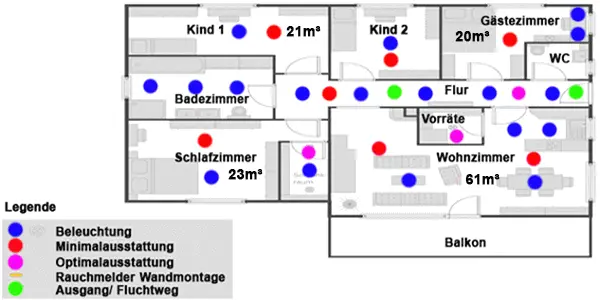
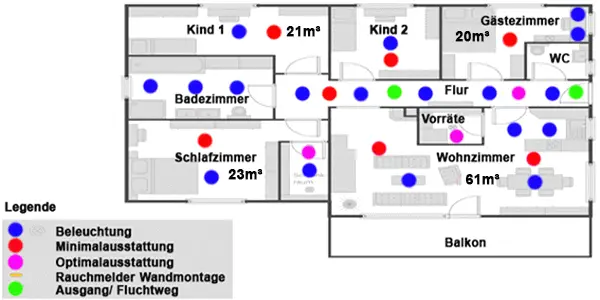
The following planning examples (see Figures 1 to 4) show you various equipment options for buildings with smoke detectors. The planning options marked in red are mandatory for minimum protection. The planning options marked in yellow provide optimal protection and are what we recommend.
In each case, it can be seen that smoke detectors are mandatory in rooms where people stay for longer periods, as well as in escape routes.

( Figure 1 ) ( Figure 2 )

( Figure 3 ) ( Figure 4 )
Which criteria and quality features should I consider when buying a smoke detector?
The smoke detector is a significant safety component that can save lives in the event of a fire. Before purchasing smoke detectors, consultation and advance planning based on the structural conditions on site are of critical importance.
Do not buy smoke detectors just to have some purchased. Smoke detectors contribute to your protection and not to satisfying lawmakers.
You should avoid supposedly cheap smoke detectors. Only buy smoke detectors from reputable manufacturers and pay attention to important quality features.
The CE marking merely confirms conformity with the performance declared by the manufacturer under DIN 14604. This means that the manufacturer has complied with the procedures prescribed for the CE marking and thereby ensures that the smoke detector can be traded within the single market. A CE marking is not an indicator of special quality.
The “Q” Quality Mark was introduced by the Forum für Brandprävention e.V and indicates that smoke detectors bearing this mark have passed an extended test according to the vfdb guidelines 14-01 by a testing institute. For the “Q” quality mark certification, the smoke detector undergoes further tests under the requirements of EN 14604 regarding longevity and the reduction of false alarms.

The “Q” quality mark is awarded only to smoke detectors that have a permanently installed 10-year battery.
Advantages of the “Q” Quality Mark
- No annual battery replacement required, and therefore permanent operational readiness
- Service life of at least 10 years
- Reduction of false alarms through enhanced protection (grille) against foreign objects in the smoke measuring chamber
- Increased resistance to damage caused by humid room climate, corrosion and temperature fluctuations, as well as electromagnetic radiation.
- Improved electronics and self-monitoring
- Increased stability of housings and components
VdS Seal for Smoke Detectors

Die VdS Schadenverhütung GmbH is an independent, accredited and internationally recognized testing and certification body headquartered in Cologne, Germany. VdS specializes in the certification of products in the security sector.
Until the end of March 2015, smoke detectors were tested by VdS in accordance with DIN EN 14604. To receive the VdS certification, a smoke detector had to meet all requirements of the EU standard DIN EN 14604.
Since 04/01/2015, smoke detectors are only VdS certified if they meet significantly stricter requirements under the current DIN EN 14604 and the guidelines of vfdb 14-01 "Association for the Promotion of German Fire Protection e. V."
Certification according to DIN 14604
For a smoke detector to be certified under DIN EN 14604, it must pass 29 different tests. These tests apply to both wired and wireless smoke detectors.
To have a smoke detector undergo this testing, the manufacturer must provide various proofs, such as evidence of conformity with the European standard.
The 29 different tests that a smoke alarm must pass before it can be certified under DIN EN 14604 include:
- Functional test of the test button
- Alarm signal volume
- Smoke chamber tests
- Battery fault signal test
- Temperature change test
- Electromagnetic compatibility
- Foreign body sensitivity
Is it worth connecting smoke detectors to an alarm system?
In the event of a fire, where every minute counts within the intervention time, the alarm can only be forwarded directly to the fire department if the smoke detectors are connected to a fire alarm system.
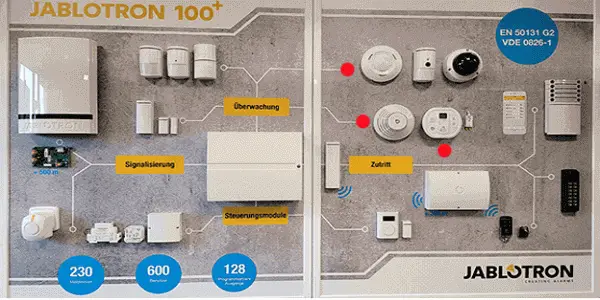
By integrating smoke detectors into an alarm system (see Figure 1), it still does not function as a fire alarm system, but it does function as a fire warning system. Accordingly, in the event of a fire, the alarm system turns into a fire alarm system and can therefore be connected to an NSL emergency service control center, which notifies the fire department within seconds of a fire alarm. In addition, alarm systems from well-known manufacturers such as Telenot, Ajax Systems, Jablotron, Videofied or Hikvision can distinguish between a burglary alarm and a fire alarm and forward them accordingly. Furthermore, smoke detectors connected to an alarm system are constantly monitored by the alarm center to ensure they are functioning correctly.
This creates a synergy between different security components, which provides a sense of safety.
The most expensive smoke detectors are of no use if the residents are away on vacation and no one hears the fire alarm. Until the neighbors notice the smoke and call the fire department, valuable time is lost and it is usually too late. In this sense, "time is burning." In this case too, the alarm system, provided it is equipped with an acoustic-visual signaling device on the outside wall, can alert the neighborhood to the fire.
Therefore, a combination of smoke detectors, an alarm system and an alarm monitoring connection to an NSL emergency service control center is highly recommended.
( Figure 1 )
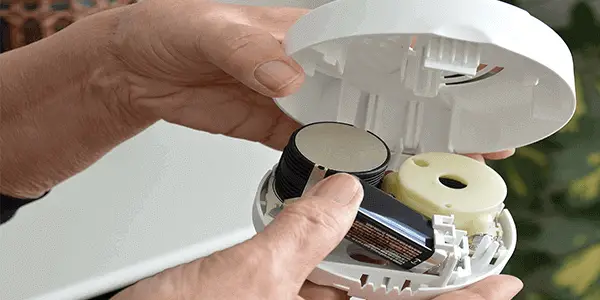
Technically speaking, the basic components of a smoke detector (see Figure 3) include various parts such as an acoustic signaling device, a smoke chamber with sensor, a test button and a battery compartment with battery or direct power supply (see Figure 4).

A fire can start from different causes of fire and therefore develop in different fire progressions. To optimally cover fire protection for every eventuality depending on the application, modern security technology offers various fire and smoke detectors, such as combined smoke and carbon monoxide detectors, carbon monoxide detectors, optical smoke detectors, heat detectors, thermo-optical smoke detectors and ionization smoke detectors.
Accordingly, smoke detectors can be equipped with different operating principles, which we would be happy to explain to you.
Optical Smoke Detectors
Optical smoke detectors, also called “photo-optical smoke detectors,” can be equipped with different measuring technologies. A distinction is made between “transmitted light technology” and “scattered light technology.”
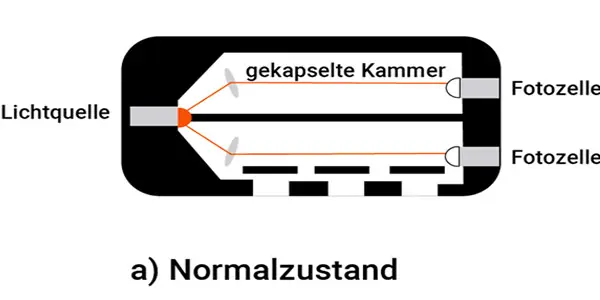
The optical smoke detector with “transmitted light technology” is the most widely used type of smoke detector in households. It has a smoke chamber in which a light diode is mounted. This LED diode emits infrared light, which under normal conditions is not deflected because light is not reflected in clean air. The optical smoke alarm with transmitted light has two small chambers or light channels (see Figure 5). One of the light channels is hermetically sealed from the outside air so that no smoke can enter. The light emitted by the light source can pass unhindered through this chamber. This is also referred to as the reference channel. The second chamber has openings through which smoke can enter in the event of a fire and impair the light beam. Based on the difference in light intensity between the reference channel and the weakened light beam in the smoke chamber, a fire, or the smoke it produces, can be detected. In the event of a fire and the resulting entry of smoke into the chamber, the infrared light is refracted and scattered (see Figure 6), which interrupts the connection to the photocell. The smoke detector triggers an alarm.
Using a reference channel with transmitted light offers further advantages: it makes self-testing of the smoke detector possible. In addition, it provides better protection against interfering factors such as temperature fluctuations or contamination. All of this helps to prevent false alarms.
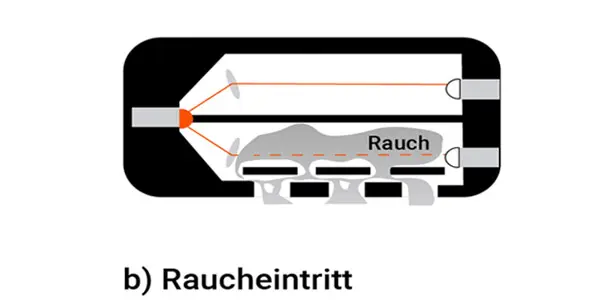
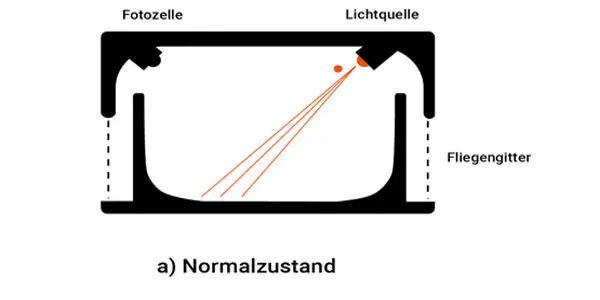
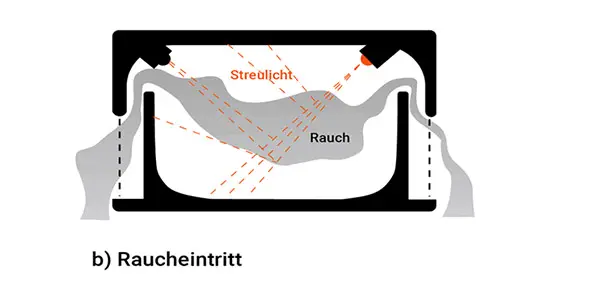
Another measuring method of photo-optical smoke detectors is scattered light technology (see Figure 7). This technology does not differ significantly from transmitted light technology. However, it is considered even more reliable in terms of the speed of alarm activation. With scattered light technology, three light beams are emitted by the LED diode, which are likewise scattered when smoke enters the chamber (see Figure 8). As soon as one of the beams reaches the photocell, the smoke detector triggers an alarm.
Carbon Monoxide Detectors (CO Detectors)
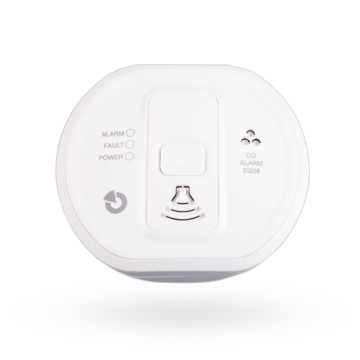
The carbon monoxide detector (see Figure 9) features an electrochemical sensor and is designed exclusively for CO detection. A gas sensor of this kind, also known as a chemical sensor, is used to detect gaseous substances. Gases such as carbon monoxide are fatal to humans after a short time. Many carbon monoxide detectors also have a memory that can store CO values over several weeks. The chemical sensor of a carbon monoxide detector converts the chemical information in the ambient air, with which it is in constant direct interaction, into an electrically usable signal. The carbon monoxide content in a room is measured and stated in ppm parts per million.

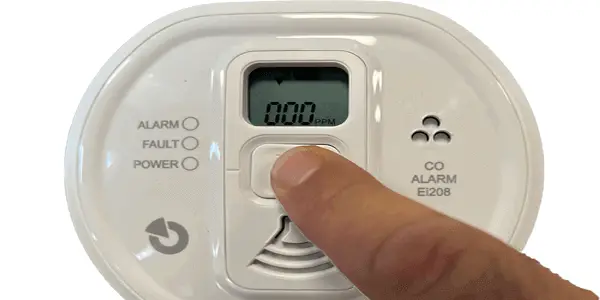
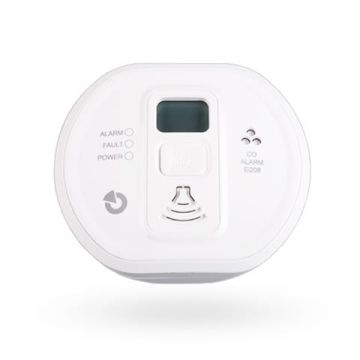
High-quality carbon monoxide detectors have a button on the front that allows the detector’s functionality to be tested at any time and, with the help of a digital display, shows the currently measured CO value. (see Figure 10) Because of its life-saving function, a carbon monoxide detector should always be certified to EN50291-1 and EN50291-2 or at least VdS TÜV.
Combined Smoke and Carbon Monoxide Detectors
The combined smoke and carbon monoxide detector (see Figure 11) warns of two potentially deadly hazards by using two different measuring methods: photo-optical sensors for smoke detection and electrochemical sensors for CO detection of gases (see Figure 12). Smoke and carbon monoxide detectors feature both optical and audible alarms, producing different alarm tones and LED indicators for smoke or CO alarms.

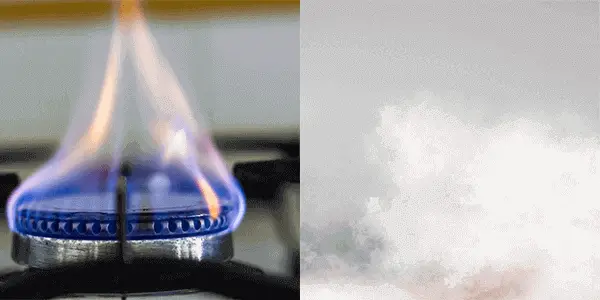
In the event of an alarm, smoke detectors are silenced after 15 minutes, and CO detectors after 4 minutes. These detectors are equipped with a large silence and test button that usually extends across the entire front of the smoke detector.
Thanks to its combined measuring method, the smoke and carbon monoxide detector provides double protection against smoke caused by fire and against invisible, odorless but deadly CO (carbon monoxide), produced for example by a gas water heater. The combined smoke and carbon monoxide detector thus brings two important measuring methods together in one device. Accordingly, a combined smoke and carbon monoxide detector should be certified for the smoke sensor to EN14604-2005 and for the CO sensor to EN50291-1 and EN50291-2, or at least certified by VdS / TÜV.
Thermal Heat or Heat Detectors
Thermal heat fire detectors, also called heat detectors (see Figure 13), are equipped with a measuring method using a so-called “thermistor” (see Figure 14), which constantly monitors their ambient temperature for any rise. Thermistor technology consists of an electrically conductive material that offers less resistance the higher the temperature, so the current is conducted better.
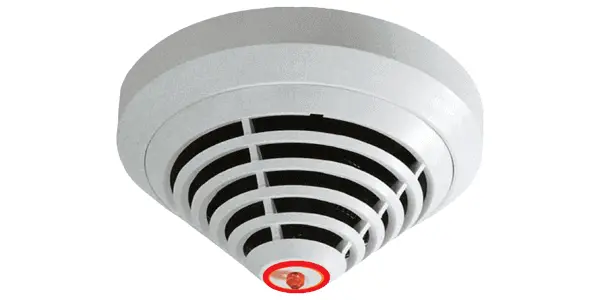

The thermal heat fire detector contains two thermistors, a measuring conductor and a reference conductor, which are used for measurement and testing. The measuring conductor measures the ambient temperature based on conductivity, while the reference conductor serves as a benchmark so the measurement results can be compared and confirmed. If a rapidly rising temperature is registered during such a measurement, the thermal heat fire detector triggers an alarm. Such an alarm can also be triggered when a preconfigured temperature is exceeded.
We do not recommend heat or thermal detectors for private households, because they react too slowly in the event of a fire. At most, as an additional safeguard, thermal heat fire detectors can be used in kitchens, for example, where water vapor often occurs and can trigger false alarms in a smoke detector. Thermal heat fire detectors are used in rooms where a specific preconfigured temperature must not be exceeded.
Thermo-Optical Smoke Detectors
Thermo-optical smoke detectors combine the characteristics of an optical smoke detector with those of a heat detector (see Figure 15). This combination is not particularly useful for private use, because the optical smoke detector normally alarms long before the thermal detector (see Figure 16).
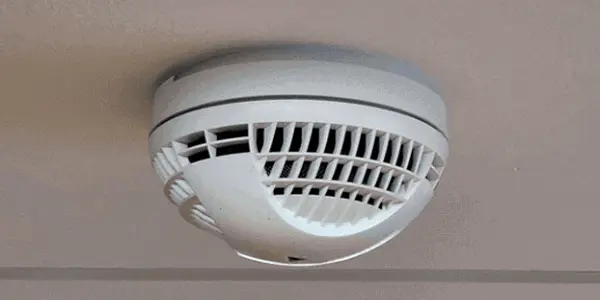
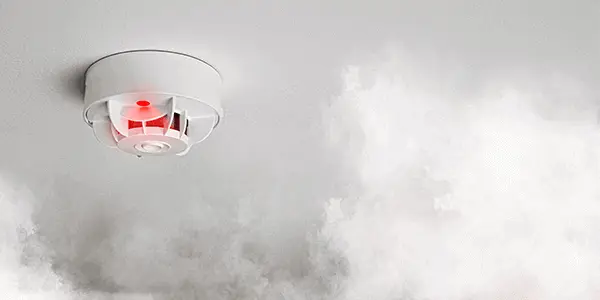
For the heat detector to alarm before the optical detector, a fire would have to start without smoke, which almost never happens. Thermo-optical smoke detectors are installed in rooms where it can get very hot and a preprogrammed temperature must not be exceeded.
Ionization Smoke Detectors
Ionization smoke detectors (see Figure 17) respond to the smallest amounts of smoke and are extremely reliable. They have two metal plates between which a radioactive isotope (see Figure 18) is mounted, which emits alpha and beta radiation. This radiation ionizes the air between the metal plates, creating a flow of electric current. If the smallest amounts of smoke enter the space between the metal plates, some of the ion pairs are bound to the smoke particles through electrostatic attraction, which greatly reduces the current flow and causes the ionization smoke detector to trigger an alarm immediately.
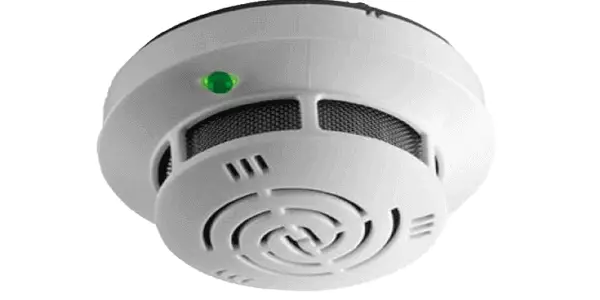
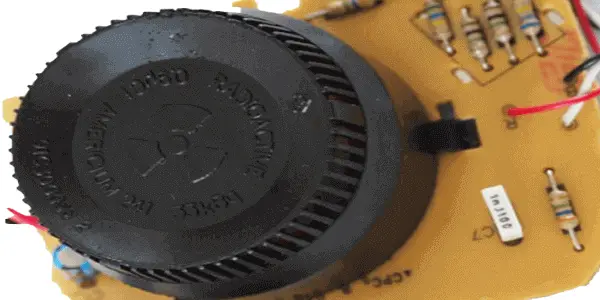
Despite their extremely precise and sensitive response, ionization smoke detectors are relatively rare in practice. The radiation from the isotope inside the detector is harmless as long as the chamber is not opened, but ionization smoke detectors must be disposed of separately.
Another disadvantage of ionization smoke detectors is that if a fire cannot be extinguished in time and the building burns down completely, all of the ash and fire debris are considered contaminated due to the radioactive isotope, and disposal becomes very costly - at least if the smoke detector chambers are not located by the fire department.
Performance Features a Good Smoke Detector Must Meet
Power Supply
The power supply can be provided as an external power supply via 230V AC or 12V DC from an alarm system or fire alarm system. With this type of power supply, make sure that an additional battery backup is provided in case of a power outage. Battery operation must be maintained for at least 72 hours.
The battery supply for replaceable batteries in wireless smoke detectors must be guaranteed for at least one year. Permanently installed batteries must guarantee operation for at least ten years. To calculate the battery capacity (one year or ten years), a weekly function test is required. If the battery is weak, an audible fault signal must be guaranteed for at least 30 days. A smoke detector must always guarantee a residual battery capacity for an alarm event of four minutes, regardless of how depleted the battery is.
Attention! When transporting or storing smoke detectors, the temperature ranges specified in the operating instructions must be strictly observed, as otherwise the battery may be damaged.
Audible Alarm of a Smoke Detector
The audible alarm (Figure 19) is safety-relevant for smoke detectors, especially for sleeping people and large buildings with multiple floors and rooms. All smoke detectors must have an audible alarm, and the volume must be at least 85dB (A) at a distance of three meters (see Figure 20).
The alarm sound level must not drop below 85dB (A) for at least 240 seconds. The sound emission must not exceed a maximum of 110dB (A), and the maximum nominal frequency must not exceed 3.5 kHz.


Visual Alarm Signaling of a Smoke Detector
Visual alarm signaling (see figure 21) on a smoke detector is not required by DIN EN14604, but we consider it very important. Especially for people with hearing impairments, who usually panic in a fire and try to leave the building quickly, visual alarm signaling can be very helpful, particularly in long corridors. Visual alarm signaling is comparable to the rear fog lights on a vehicle in severe weather conditions, such as fog.
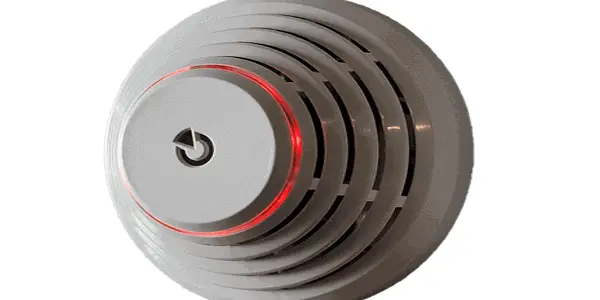
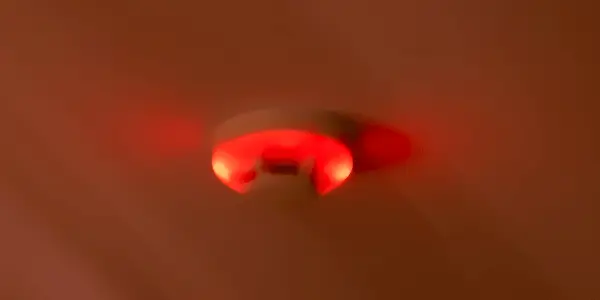
People in panic often do not notice the deadly smoke. Acoustic alarm signaling indicates from a great distance that the hallway is smoke-filled and does not provide a safe escape route. If such signaling is present, however, it must be shown in red (see figure 22) and be clearly visible from a distance.
The visual warning indicator can serve several functions:
- Indicating alarm status, for example through a continuous light
- Fault message in addition to the acoustic message
- Indicating battery status with a short flash every 5 minutes
- Indicating contamination in the smoke chamber on high-quality smoke detectors
The signaling options through "flash codes" and their meanings vary for each device and are documented in the respective operating manual.
We at ESA GmbH German Protect, as a Q-certified specialist installer for smoke detectors, advise our customers to read the operating manual carefully so that they can interpret the various signals of the smoke detector correctly and in good time. A smoke detector can only save lives if its signals are understood.
Alarm Silencing
Alarm silencing is often practiced in Europe due to frequent false alarms caused by low-quality smoke detectors. Often the smoke detectors are even removed from the ceiling and forgotten. Only when a fire occurs is the resident reminded of them. We therefore advise against buying cheap smoke detectors.
In principle, an alarm silence button is not required on a smoke detector under DIN EN 14604. The silence button switches off the alarm for 5 to a maximum of 15 minutes once it has been triggered (see figure 23). The smoke detector is not deactivated in the process (see figure 24). Should the smoke intensity increase, the alarm sounds again immediately. The alarm and silencing function can be operated with the same button as the test device.


Test Features and Equipment a Good Smoke Detector Should Have
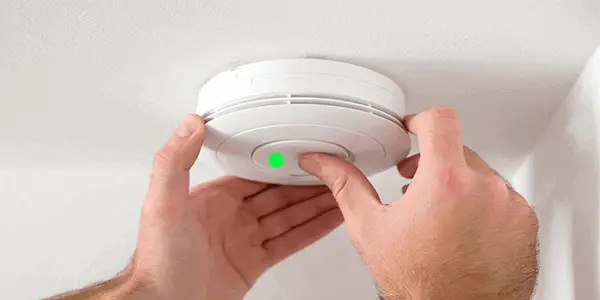
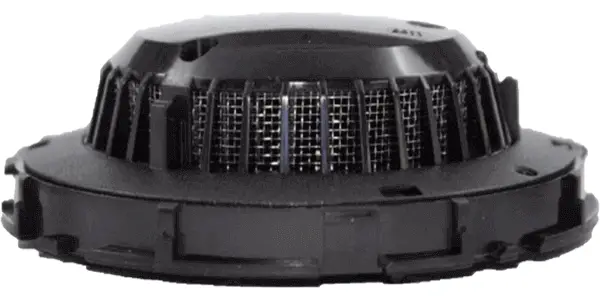
A good smoke detector should have test features, such as a test button (see figure 25), so that its functionality can be checked at any time. In addition, a smoke detector should offer the option of testing it by introducing smoke into the measuring chamber mechanically or electronically. Good smoke detectors also have insect screens (see figure 26), which prevent insects from entering the smoke chamber and thereby reduce false alarms.
Smoke Detector Transmission Methods
In fire detection technology, a basic distinction is made between wired smoke detectors and wireless smoke detectors.
Wired smoke detectors are connected by cable (see Figure 27) to a fire detection system or fire warning system, such as an alarm system. The smoke detectors are usually powered and monitored for functionality by the fire detection system or alarm system via a BUS system.


Wireless smoke detectors can also be connected wirelessly to a fire warning system, such as an alarm system, but not to a fire detection system.
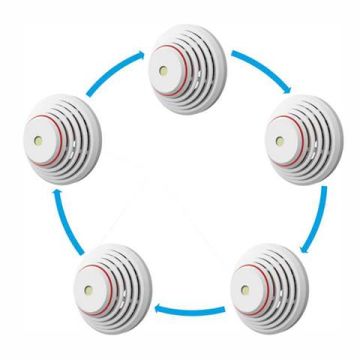
In addition, a wireless smoke detector can be operated independently and networked with other wireless smoke detectors in the building (see Figure 28), creating a kind of smoke detector network.
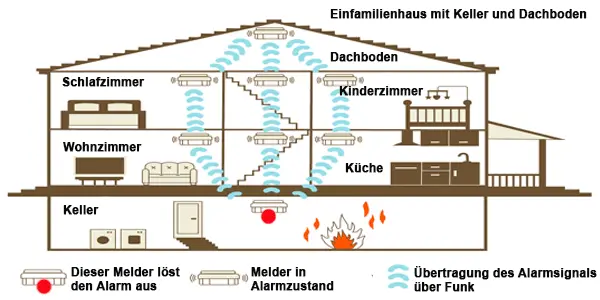
For simultaneous and fast alarm activation of wireless smoke detectors, wireless smoke detectors and carbon monoxide detectors can be networked with one another. When smoke or carbon monoxide is detected by one of the wireless smoke detectors, the other wireless smoke detectors sound the alarm together (see Figure 29). This means people on different floors can be warned at the same time if a fire breaks out on one floor. This shortens the reaction time, which can save lives in some circumstances. Installing networked smoke detectors is not required under the state building code and may only be done at the owner's request.
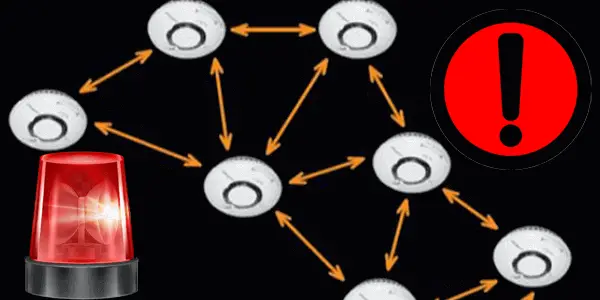
But note! Networked wireless smoke detectors are not a self-monitoring system as long as they are not connected to an alarm system (see Figure 30).
A direct alarm monitoring connection of networked smoke detectors to the fire department is not possible, because the simultaneous alarm triggering makes it extremely difficult to locate the source of the fire.
It should also be noted that in the event of false alarms, all residents in the network are alarmed at the same time. In general, all occupants must be thoroughly informed about the correct behavior in the event of an alarm.
Sensible Networking of Smoke Detectors
Networking smoke detectors and wireless smoke detectors makes sense whenever there is limited ability for co-residents to save themselves (people with mobility impairments or dementia). It is also recommended to network multi-story apartments in single-family homes that have no alarm system or fire detection system. Even if the rooms to be monitored, such as the boiler room (carbon monoxide detector), are acoustically out of range of the bedrooms, networking the various hazard detectors is definitely worthwhile.
Another important aspect of sensible networking is the use of additional devices for hearing-impaired people and the forwarding of fire alarms to a personal emergency response service.
Important Rules for Installing Smoke Detectors
Proper installation of smoke detectors is essential so that they respond reliably and in time in the event of a fire or when carbon monoxide is present. Smoke detectors usually need to be mounted on the ceiling, ideally in the middle of the room, at least 50cm away from the wall and the nearest light source (see Figure 31). The number and layout of the rooms (see Figure 32) play an important role in deciding whether one or several smoke detectors should be installed. Find detailed information here on important installation rules and mounting methods for smoke detectors.

Our Expert Tip! Protection against fires in homes and apartments is necessary and vital today due to densely populated construction. Smoke detectors, as life savers, play the most important role here.
We increasingly encounter cheap or incorrectly installed smoke detectors in various buildings. In a fire, these smoke detectors will certainly not perform their vital function, or will do so too late. Especially in family homes, it often seems that smoke detectors were simply installed for appearance or by amateurs. Surprisingly, some properties still have no smoke detectors at all, despite the clear legislation. Fires or carbon monoxide poisoning always leave devastating damage. As a specialist company for security technology, we therefore advise our customers to deal properly with the topic of fire protection. ESA GmbH German Protect provides our customers with a large number of employees who are Q-certified specialists for smoke alarms according to DIN14676 and DIN EN 14604. Before buying a smoke detector, let our employees give you expert advice. In addition, we help our customers with detailed information on the correct installation and selection of a smoke detector on our homepage, which is important for laypeople. Call us, we will be happy to advise you.