

Gas Detectors
-
Product
range - Guide
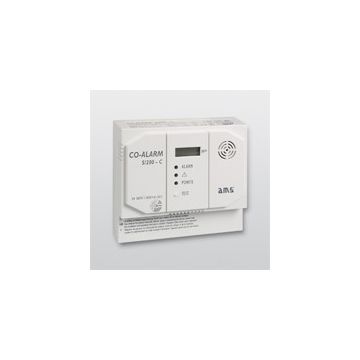

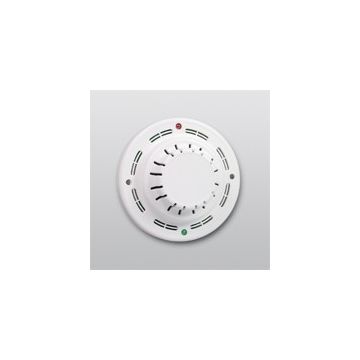
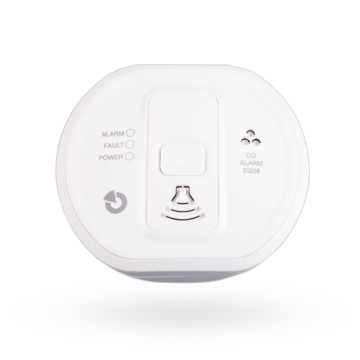

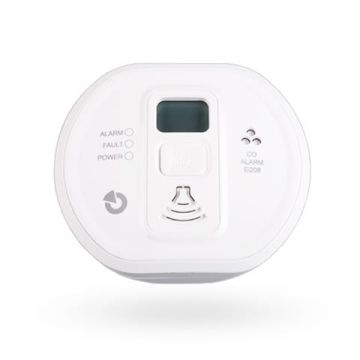
GUIDE
Gas Detectors for Private and Commercial Customers
To identify hazards in time, you will find a wide range of gas detectors in our online shop
What is a gas detector?
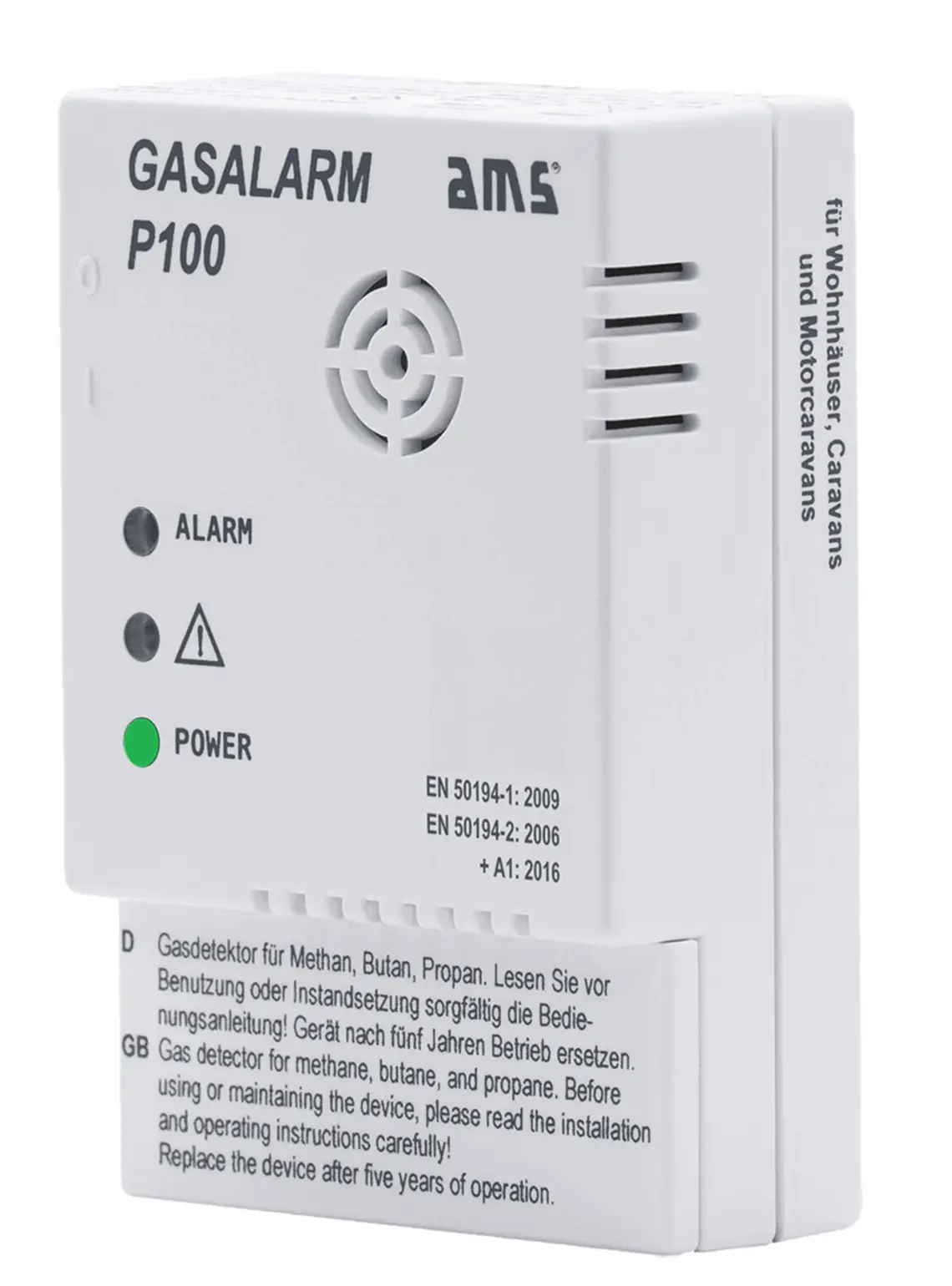
Gas detectors are hazard detectors that are also called gas warners in the field of security technology. In their operation and design, gas detectors are similar to smoke detectors, but they warn of escaping gas rather than smoke development in a room. Although gas detectors are at least as important and can act in a life-saving way like a smoke detector, there is no installation requirement in Germany for homes and houses as there is for smoke detectors. Since most households in Germany are equipped with a gas heating system and often with the associated appliances such as gas stoves and gas-powered instantaneous water heaters, the gas detector is at least as relevant for personal safety as a smoke detector. Gas boilers and gas heating systems in Germany are generally operated with natural gas, which contains a high percentage of highly flammable and explosive methane gas. If natural gas escapes from the boiler, stove or instantaneous water heater, even in small amounts, gas pockets can form which, triggered by a small spark, can lead to a massive explosion. An explosion occurs much faster than a fire, which first has to take hold, and leaves residents hardly any time for life-saving measures. Therefore, gas detectors should belong to the basic equipment not only for households, but for all applications that operate in any way with natural gas, such as caravans or camping areas.
In its operation, the gas detector uses the hot-wire measuring method to detect the gas content in its environment and alert by means of an audible alarm. Gas detectors are generally equipped with a thin wire located in the measuring chamber that glows continuously due to a constant power supply. If gas enters the measuring chamber, the wire ignites and burns immediately, whereby the resistance of the wire changes and the gas detector triggers an alarm without delay. This measuring method is scientifically referred to as the hot-wire method in security technology.
Gas detectors can operate autonomously and raise an alarm, but they can also be connected to an alarm system, which greatly increases the effectiveness of alerting through the available alarm options.
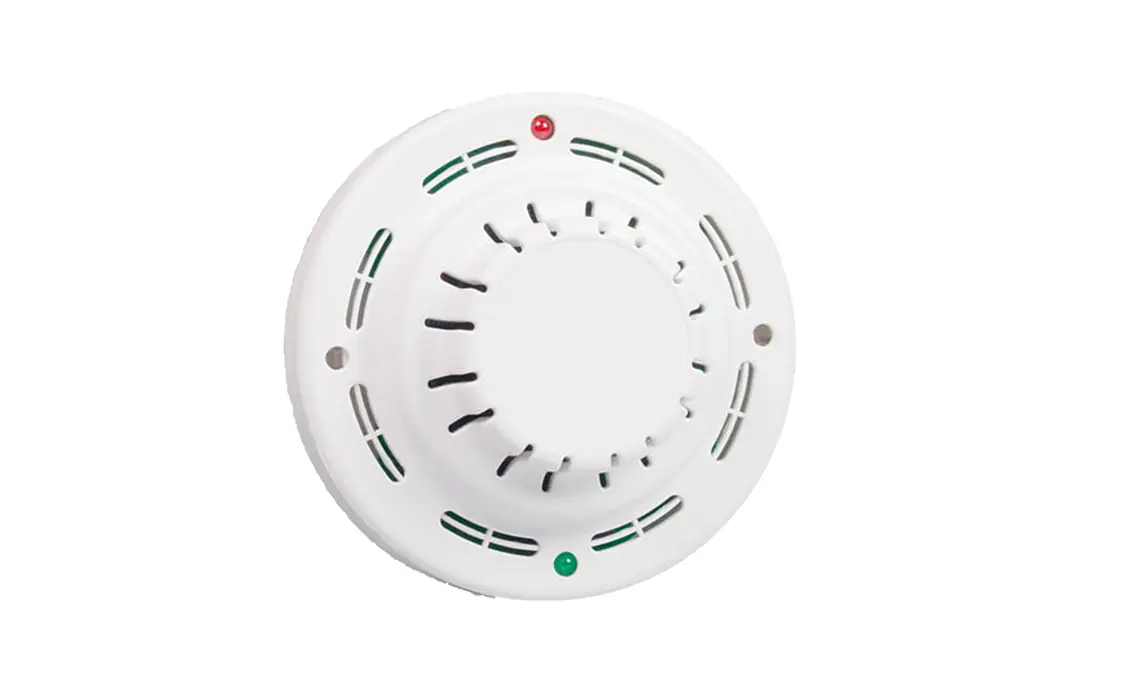
As a rule, gas detectors are installed because natural gases such as ethane and methane are lighter than air and therefore rise quickly upward. Depending on the circumstances, they are usually mounted 30 cm below the ceiling, at an optimal height of 1.80 to 2.20 meters. You can find detailed installation instructions for hazard detectors here.
Our tip! Fatal gas poisonings during sleep very often occur unnoticed. We therefore always recommend a small investment in a gas detector if you have a gas heater, gas stove, instantaneous water heater or other gas-powered appliances in living spaces.
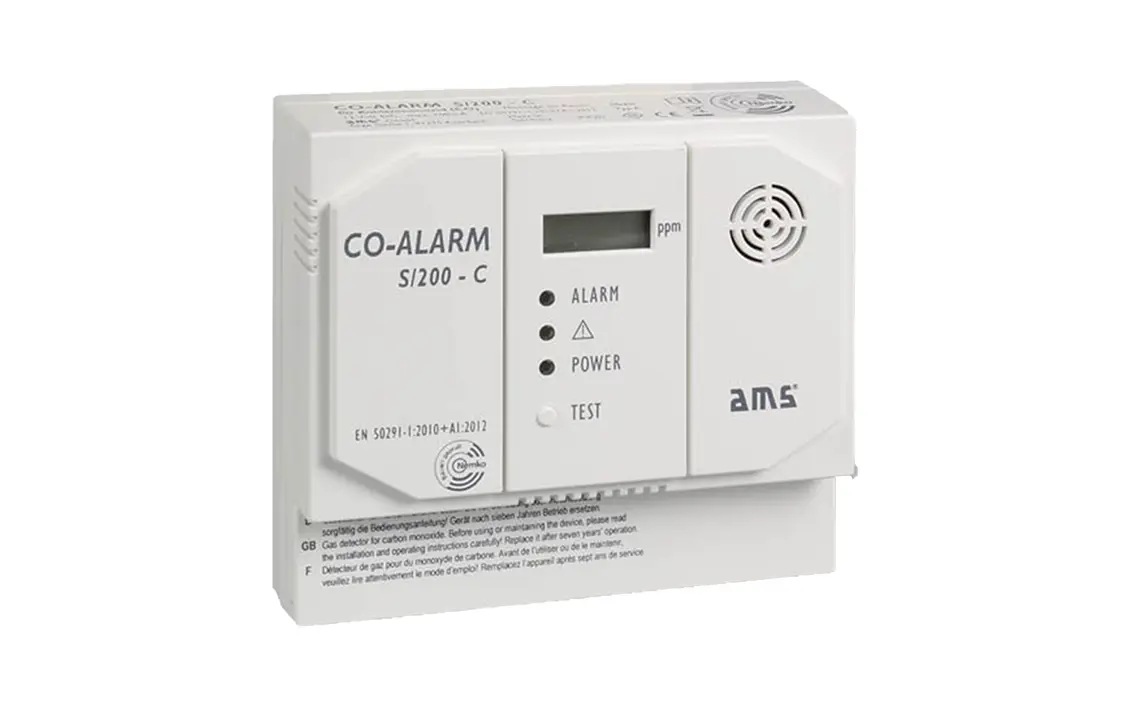
Carbon monoxide can also easily form when rooms are heated with patio heaters or other gas-fired open flames. Therefore, carbon monoxide detectors should be installed wherever combustion sources are present. Since carbon monoxide is also a gas that is lighter than air, the optimal installation depends on various criteria, such as ceiling height and room geometry, to ensure reliable alarming. Due to the complexity of the installation options, we as a Q-Certified Specialist Company for smoke detectors provide detailed and qualified information about carbon monoxide detectors, which you can find here (link to smoke detectors under Carbon Monoxide Detectors (CO)).
Buying Criteria for Gas Detectors – What Should I Look For?
Important criteria should be considered when buying in order for the gas detector to protect effectively.
- Is the gas detector suitable for the gases you want to protect yourself against?
Caution is advised especially with gas detectors with combination detection (carbon monoxide, methane, propane, butane). Since these are different gases with different properties, at least two gas detectors are usually needed in the room to ensure reliable alarming.
Read the manufacturer's specifications carefully or let our expert team advise you. - Observe the manufacturer's installation instructions and try to follow them meticulously during installation.
- If the gas detector is not integrated into an alarm system, make sure that the acoustic alarm has a minimum volume of 80dB. After installing the gas detector in rooms such as the basement, make sure the alarm sound can be clearly heard throughout the building from everywhere. Being able to hear the alarm from the bedrooms is especially important.
- For battery-operated gas detectors, pay attention not only to the standby time but also to the operating time in the alarm state. The standby time should be at least 12 months and the operating time at least 4 hours.#
- When buying a gas detector, we recommend looking for the EN 50291, VdS or Q certifications. Gas detectors with these certifications have undergone special testing and demonstrate high quality and reliability. Attention! The CE marking of a detector says nothing about its quality or functionality.
Conclusion: Hazard detectors save lives and should therefore meet your expectations. So it is better to invest a little more money and be able to sleep peacefully.
Popular Categories in Security Technology and Video Surveillance
Learn more about the author of this content:

Tobias Nabinger
Mr. Tobias Nabinger has been active in the field of security technology since 2001. Over his more than 20-year professional career, Mr. Nabinger has acquired practical expertise in the planning and installation of intruder alarm and video surveillance technology. Under his project management, ESA GmbH successfully delivered a large number of projects for German Protect for public institutions and organizations as well as industrial corporations. This expertise has been continuously deepened since 2011 through countless product and manufacturer certifications. A brief selection of his certifications: Telenot Specialist Installer and Support Center, Planning and installation of intruder alarm systems per VdS 2311 and VDE 0833, Q-Certified Smoke Detector Specialist per DIN 14676, Videofied Certified Partner, Risco Certified, Jablotron Certified Partner, Ajax Alarmsystems Specialist Installer, rayTec Professional Partner, SimonsVoss Partner, Certified Axis Solutions Partner, IHK-Certified Specialist in Video Security Technology, Hikvision Diamond Partner, Vivotek Expert, Hanwha Security Engineering, Mobotix Advanced Partner, Avigilon Partner, Sony Video Security Gold Partner, Flir Partner, Eneo System Integrator, Bosch Partner, Seetec Professional, Milestone Partner, Wave Professional, Aimetis Certified, etc.