BUYING GUIDE
Multi-Signal Recorders - Processing Different Signals
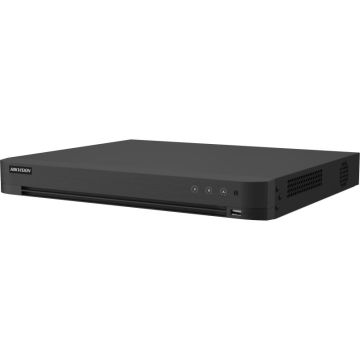
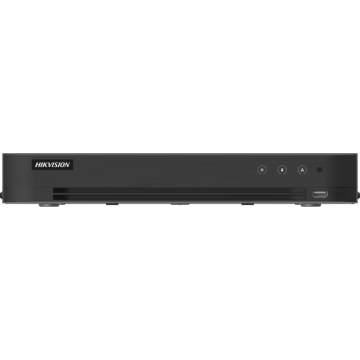
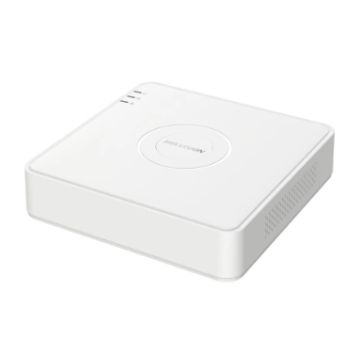
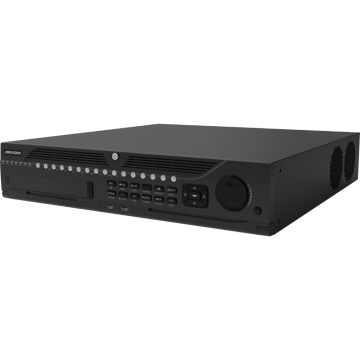
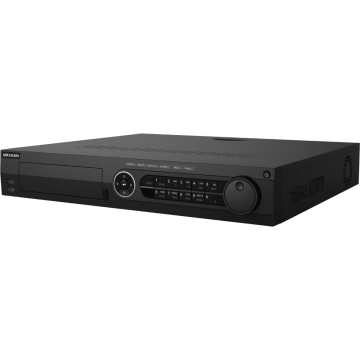
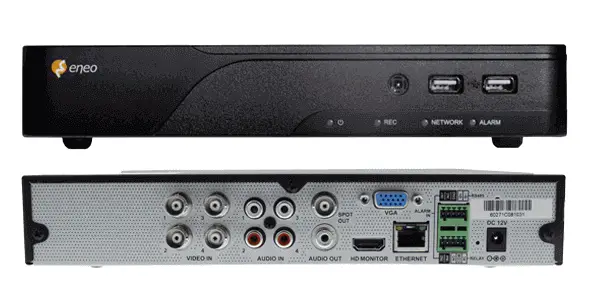
Multi-signal recorders are special recording devices for video surveillance that can process, manage and record different signals such as analog, TVI, AHD, SDI and IP from various types of surveillance cameras. By combining different technologies in one device, multi-signal recorders allow application-specific video surveillance using different surveillance cameras. For example, high-resolution IP cameras can be combined with a latency-free TVI PTZ 360° dome. Such video surveillance applications often occur in areas such as department store surveillance, where countless IP cameras of different resolutions are used for general surveillance, while TVI or AHD speed domes are used for active surveillance by detectives, where latency-free real-time transmission is required. Multi-signal recorders also prove their value in conference and event technology, where the speaker at the lectern is additionally projected onto a screen.
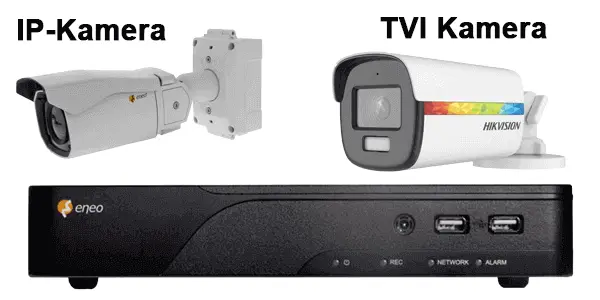
Because TVI, AHD and SDI surveillance cameras are considerably less expensive to purchase than IP cameras, multi-signal recorders enable a cost-effective and application-specific design of video surveillance. For example, IP cameras can be used in security areas where high resolution and a high frame rate are necessary. In contrast, for less critical areas of video surveillance that have no special requirements, the inexpensive TVI, AHD or SDI surveillance cameras, which offer a lower frame rate and resolution, are usually entirely sufficient.
Multi-Signal Recorders - Processing Different Signals
Multi-signal recorders are special recording devices for video surveillance that can process, manage and record different signals such as analog, TVI, AHD, SDI and IP from various types of surveillance cameras. By combining different technologies in one device, multi-signal recorders allow application-specific video surveillance using different surveillance cameras. For example, high-resolution IP cameras can be combined with a latency-free TVI PTZ 360° dome. Such video surveillance applications often occur in areas such as department store surveillance, where countless IP cameras of different resolutions are used for general surveillance, while TVI or AHD speed domes are used for active surveillance by detectives, where latency-free real-time transmission is required. Multi-signal recorders also prove their value in conference and event technology, where the speaker at the lectern is additionally projected onto a screen.
Because TVI, AHD and SDI surveillance cameras are considerably less expensive to purchase than IP cameras, multi-signal recorders enable a cost-effective and application-specific design of video surveillance. For example, IP cameras can be used in security areas where high resolution and a high frame rate are necessary. In contrast, for less critical areas of video surveillance that have no special requirements, the inexpensive TVI, AHD or SDI surveillance cameras, which offer a lower frame rate and resolution, are usually entirely sufficient.
Depending on the manufacturer, multisignal video recorders can process different resolutions from surveillance cameras, but they are limited in performance compared to a pure NVR (network video recorder) due to the number of cameras. Well-known manufacturers such as Hikvision, Hanwha, Eneo or Dahua offer the option of implementing high-resolution IP cameras up to 12 megapixels and TVI, AHD or SDI surveillance cameras up to 4K/8 megapixels. However, depending on the performance of the multisignal video recorder, the multiple high resolutions of the surveillance cameras can cause an automatic reduction in the capacity for managing cameras. Of the 16 video channels available, the multisignal video recorder provides only 14 channels due to the high load.
Our expert tip! Avoid IP cameras such as fisheye cameras, panoramic cameras or multidirectional cameras, which produce large amounts of data and place a heavy load on the multisignal video recorder. If such IP cameras are used in video surveillance, we recommend using an additional NVR network video recorder for these surveillance cameras.
Our video surveillance expert team is happy to provide you with professional advice.