GUIDE
Shock Sensors and Structure-Borne Sound Detectors
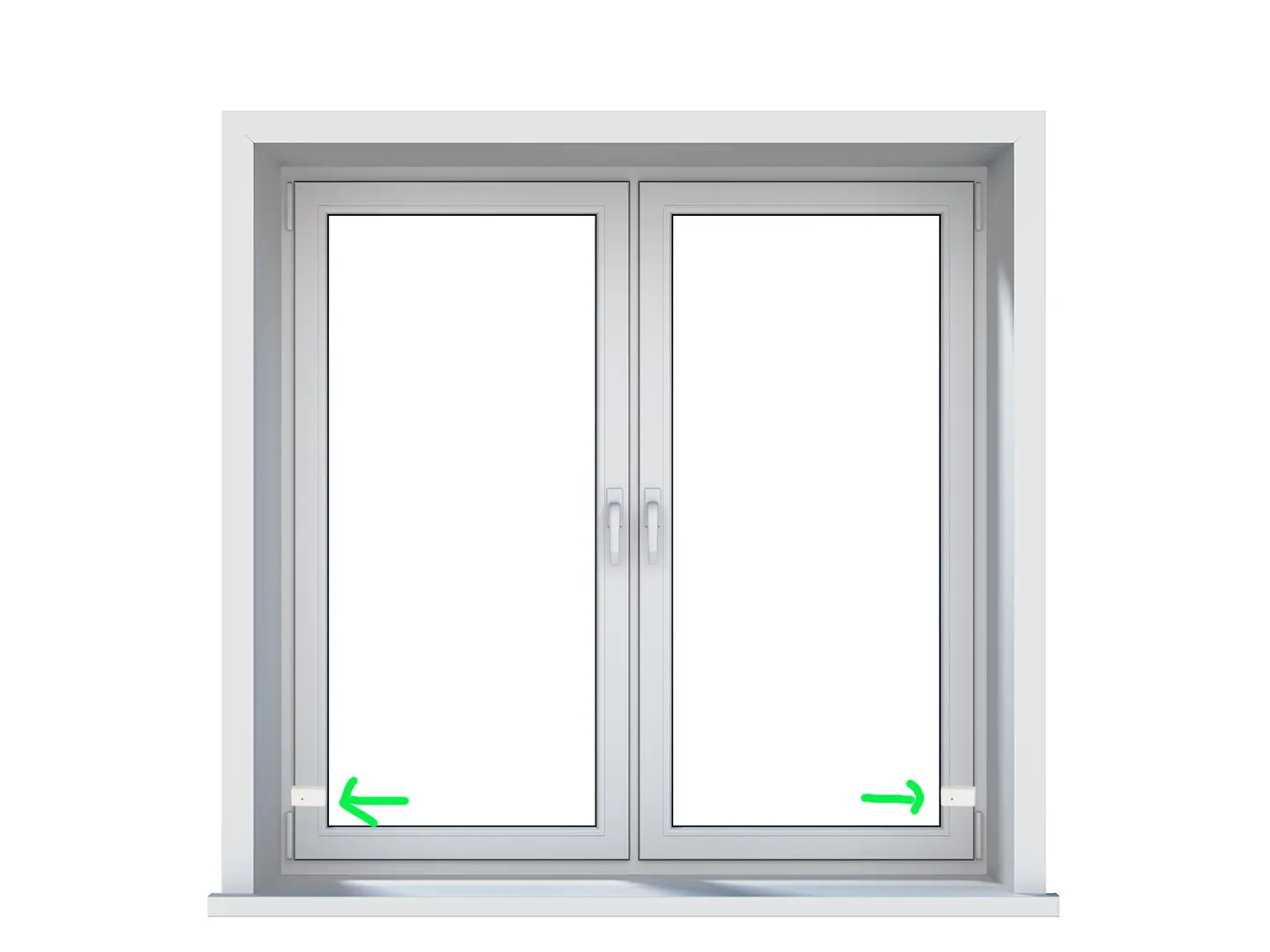 Shock sensors and structure-borne sound detectors are electronic vibration detectors developed specifically for detecting attempted break-ins in combination with an alarm system. In intrusion detection technology, shock sensors are preferably installed on doors and windows, and their sensitivity is flexibly adjustable. Depending on the setting, they respond to a single impact or only to several consecutive impacts.
The correct sensitivity setting of the shock sensor must always be considered separately when setting up alarm systems. For windows or doors that face a busy street, which can cause continuous vibrations, and that are equipped with shock sensors, the optimal sensitivity setting should be checked several times. Setting the shock sensor too sensitively often contributes to false alarms and thus considerably reduces the reliability of the alarm system.
Shock sensors and structure-borne sound detectors are electronic vibration detectors developed specifically for detecting attempted break-ins in combination with an alarm system. In intrusion detection technology, shock sensors are preferably installed on doors and windows, and their sensitivity is flexibly adjustable. Depending on the setting, they respond to a single impact or only to several consecutive impacts.
The correct sensitivity setting of the shock sensor must always be considered separately when setting up alarm systems. For windows or doors that face a busy street, which can cause continuous vibrations, and that are equipped with shock sensors, the optimal sensitivity setting should be checked several times. Setting the shock sensor too sensitively often contributes to false alarms and thus considerably reduces the reliability of the alarm system.
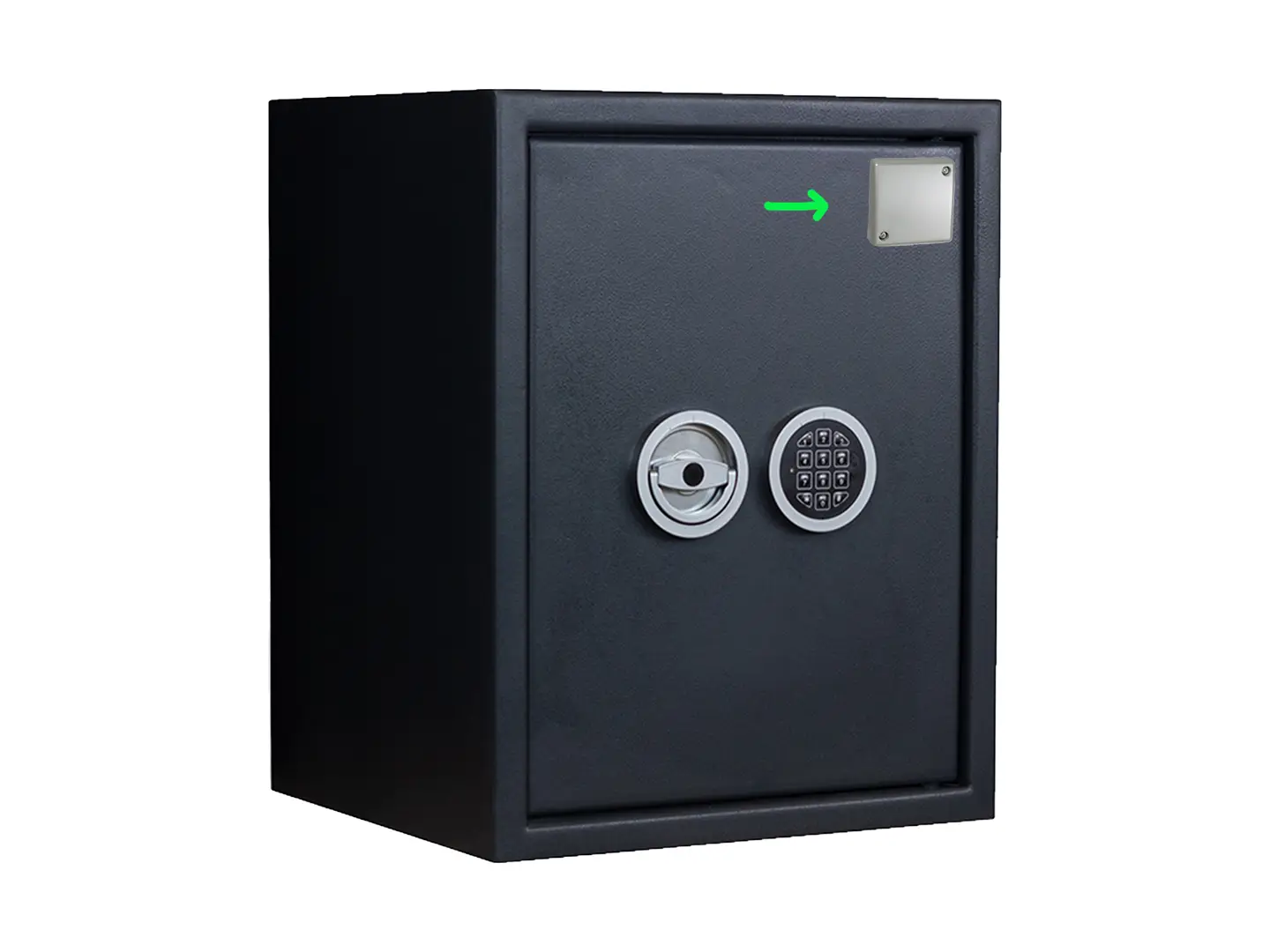 Structure-borne sound detectors are designed to detect break-in attempts on safes, ATMs, or other security cabinets and vaults. The objects to be protected can be made of materials such as concrete, steel, or composite materials. The structure-borne sound detector is able to detect attacks with drills, explosives, hydraulic tools, or cutting torches. The sensitivity of the detector can also be adjusted. Telenot detectors achieve an effective radius of four meters in concrete and two meters in steel. Tear-off detectors consist of a circuit board with predetermined breaking points and protect valuables containers or control panel security cabinets. They break when force is applied and trigger the alarm.
Structure-borne sound detectors are usually connected to the alarm control panel via cable, but if needed they can also be connected to a wireless transmitter and thus operated with a wireless alarm system.
Structure-borne sound detectors are designed to detect break-in attempts on safes, ATMs, or other security cabinets and vaults. The objects to be protected can be made of materials such as concrete, steel, or composite materials. The structure-borne sound detector is able to detect attacks with drills, explosives, hydraulic tools, or cutting torches. The sensitivity of the detector can also be adjusted. Telenot detectors achieve an effective radius of four meters in concrete and two meters in steel. Tear-off detectors consist of a circuit board with predetermined breaking points and protect valuables containers or control panel security cabinets. They break under the application of force and trigger the alarm.
Structure-borne sound detectors are usually connected to the alarm control panel via cable, but if needed they can also be connected to a wireless transmitter and thus operated with a wireless alarm system.
Advantages of Vibration Detectors and Structure-Borne Sound Detectors
Vibration sensors provide reliable protection and can be installed quickly with little effort. It is enough to mount them on the window or door frame and connect them to the surveillance equipment. After that, you only need to set the desired sensitivity. Detectors protected against dirt and moisture with IP68 protection can also be operated reliably under adverse environmental conditions. Wide operating temperature ranges expand their possible applications. Once integrated into the system, vibration detectors alert the alarm control panel at every break-in attempt. Depending on the settings, the control panel can activate alarm paths such as email, SMS, push notifications, or notification of a monitoring center.
Expert Tips for Practical Use
Vibration detectors or structure-borne sound detectors should be checked regularly to make sure they work properly. Only then can you be sure that they are set correctly and will actually trigger an alarm in an emergency. Telenot offers remote testing systems specifically for structure-borne sound detectors. Detectors equipped with a test generator can thus be conveniently tested remotely. If needed, the detectors can easily be readjusted. The required test transmitters for installation in the structure-borne sound detectors can also be ordered in the shop. For test-triggering vibration detectors, mechanical test triggers are available that are applied directly to the door or window frame.
Interesting Categories in Security Technology and Video Surveillance
Learn more about the author of this content:

Tobias Nabinger
Mr. Tobias Nabinger has worked in the field of security technology since 2001. Over a career spanning more than 20 years, Mr. Nabinger has acquired practical expertise in the planning and installation of intrusion alarm and video surveillance systems. Under his project management, ESA GmbH German Protect has successfully completed a large number of projects for public facilities and institutions as well as industrial corporations. Since 2011, this experience has been continuously deepened through countless product and manufacturer certifications. A small selection of his certifications: Telenot specialist installer and support point, planning and installation of intrusion alarm systems according to VdS 2311 and VDE 0833, Q-certified specialist for smoke alarms in accordance with DIN 14676, Videofied certified partner, Risco Certified, Jablotron certified partner, Ajax Alarmsystems specialist installer, rayTec Professional Partner, SimonsVoss Partner, certified Axis Solutions Partner, IHK-certified specialist for video security technology, Hikvision Diamond Partner, Vivotek Expert, Hanwha Security Engineering, Mobotix Advanced Partner, Avigilon Partner, Sony Video Security Gold Partner, Flir Partner, Eneo System Integrator, Bosch Partner, Seetec Professional, Milestone Partner, Wave Professional, Aimetis Certified, etc.

