ADVICE
Magnetic Contacts for Alarm Systems in Homes and Apartments
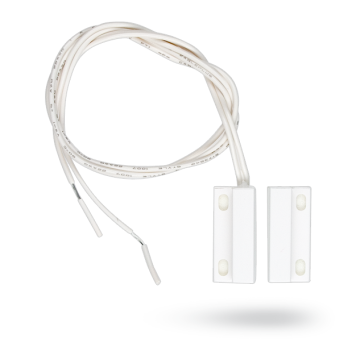
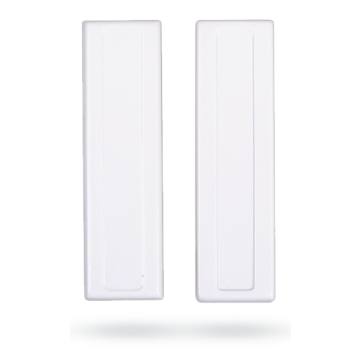
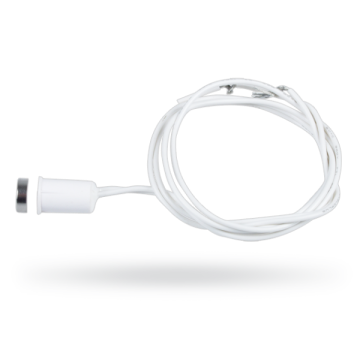
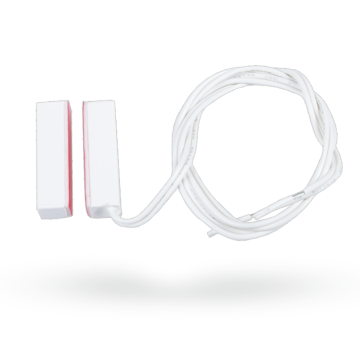
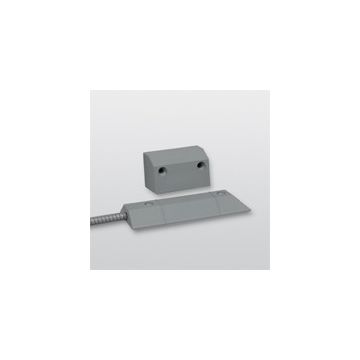
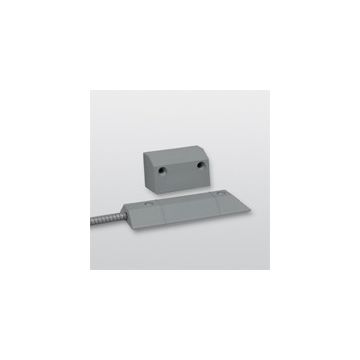
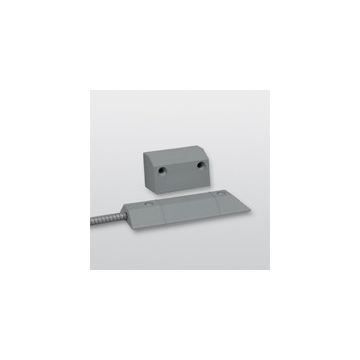
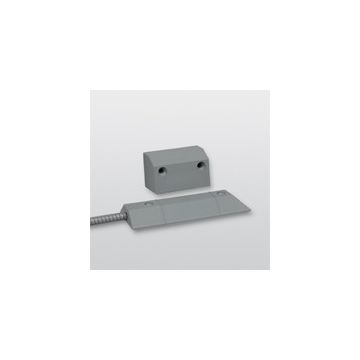
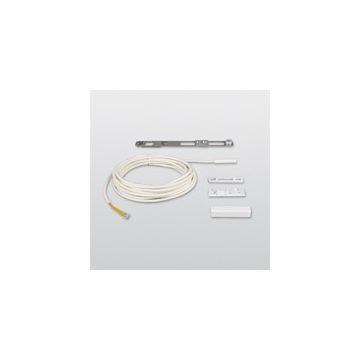
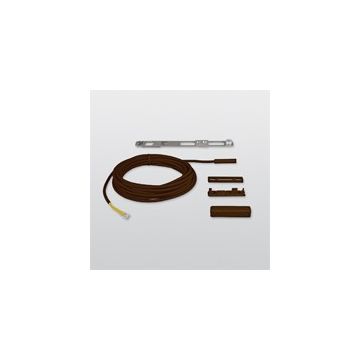
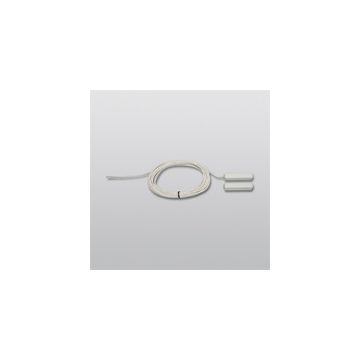
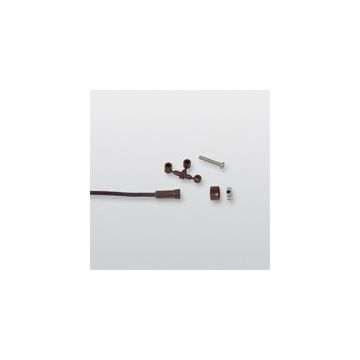
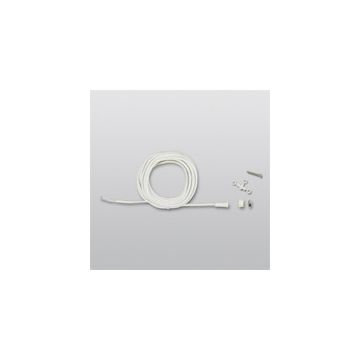
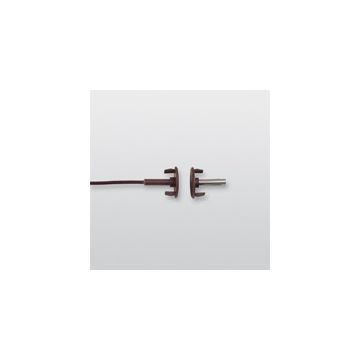
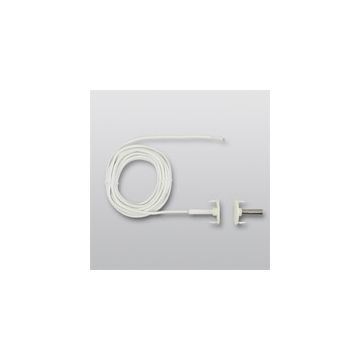
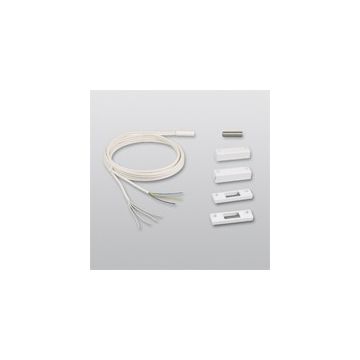
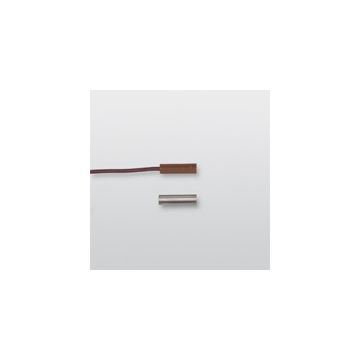
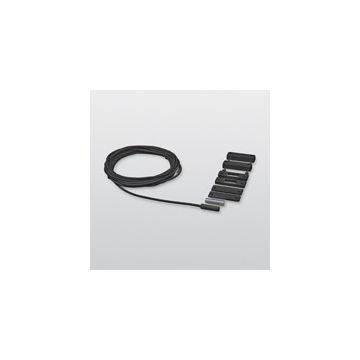
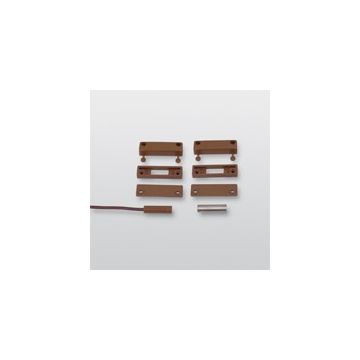
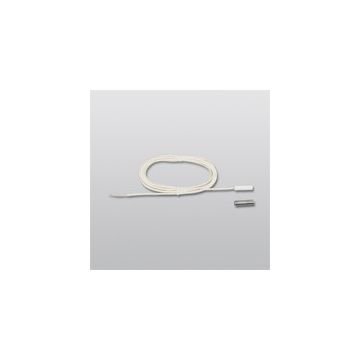
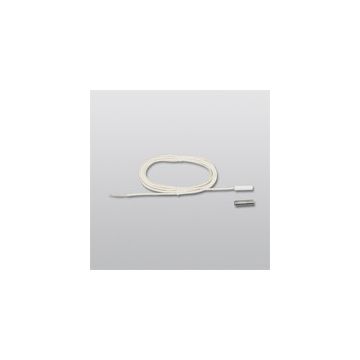
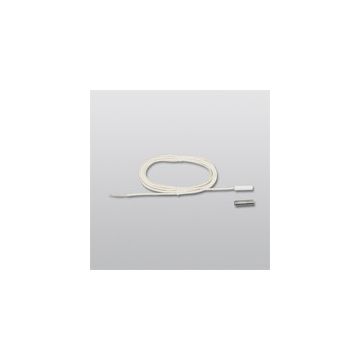
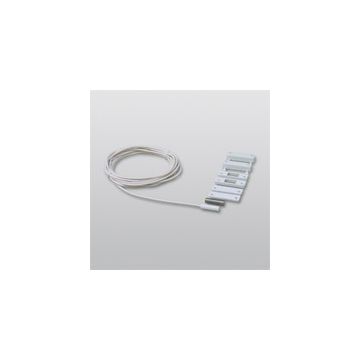
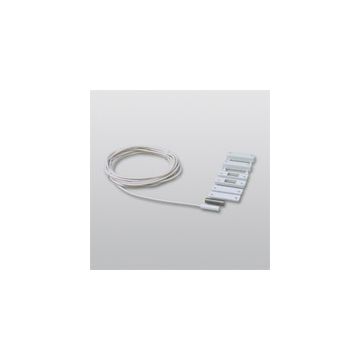
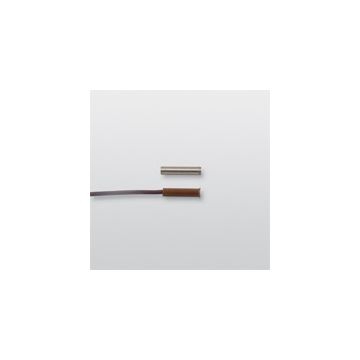
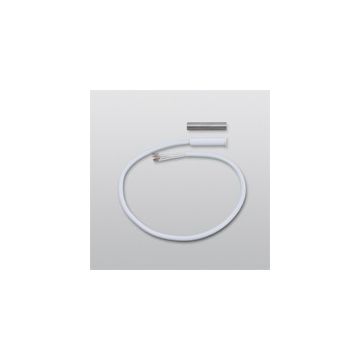
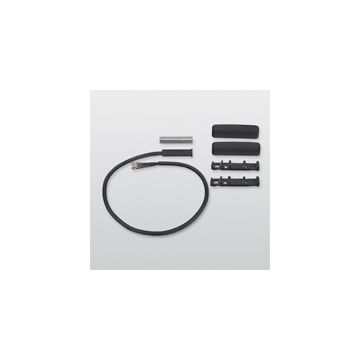
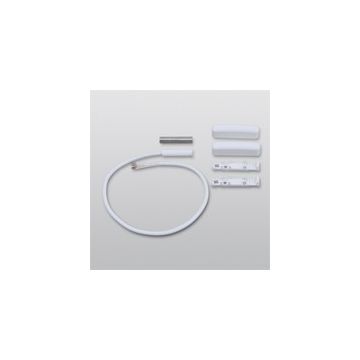
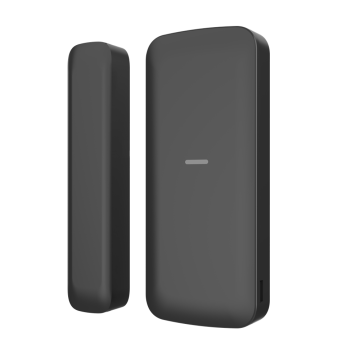
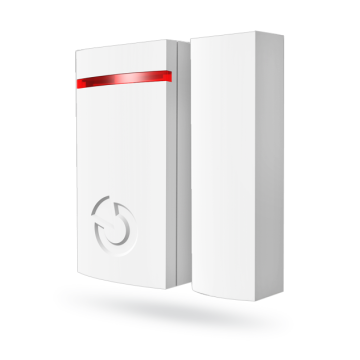
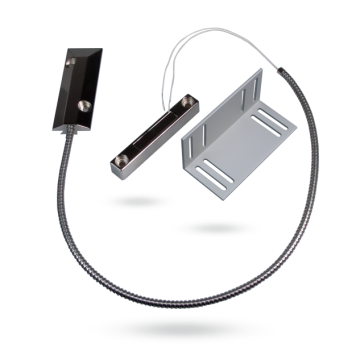
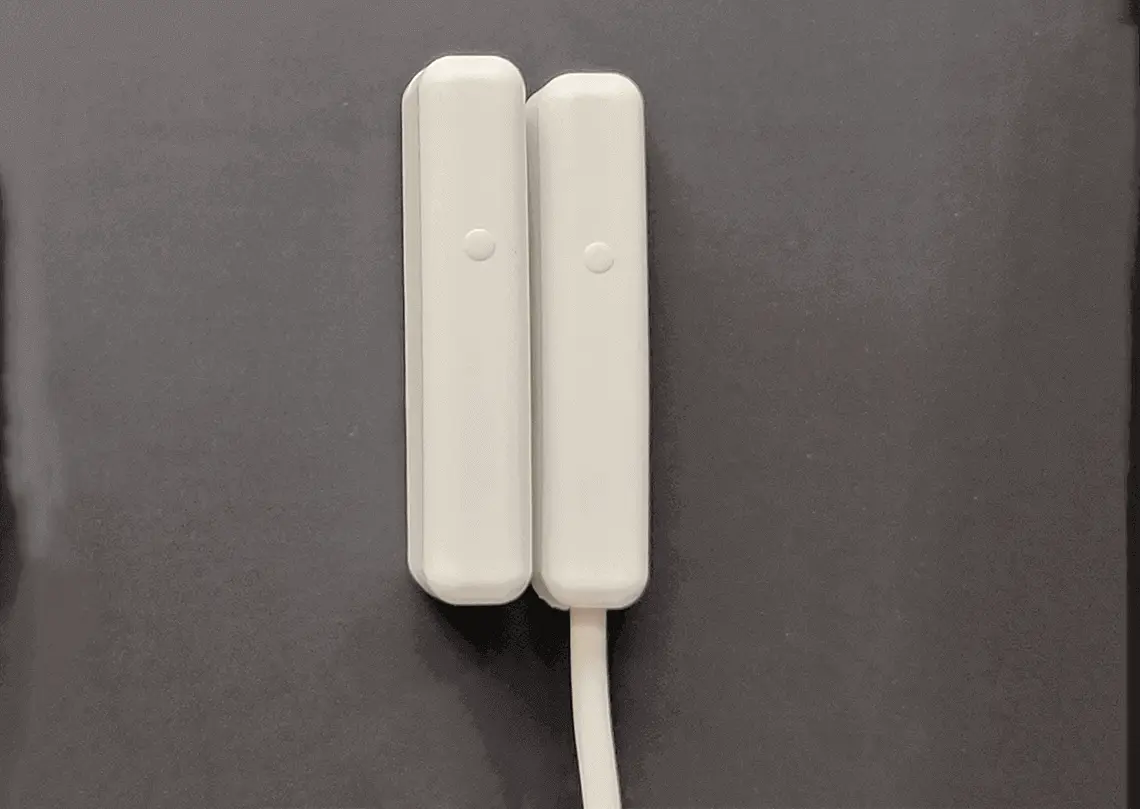 Magnetic contacts are alarm sensors that are responsible for signaling, within the alarm system, whether something is “open or closed”. Magnetic contacts are mostly used in intrusion detection technology to secure windows and doors, but also gates or roller grilles. If the window or door is opened while the alarm system is armed, and the magnetic field is thus interrupted, the magnetic contact sends an alarm message to the alarm control panel, which immediately triggers an alarm.
But be careful! A magnetic contact can only report the status in the alarm system as “door or window closed” and “not locked” and react accordingly to any change.
To be able to report “door or window locked” in the alarm system, the additional installation of lock contacts is required.
There is a significant difference between a door being merely closed and being locked. Many insurers require, despite electronic alarm protection with a magnetic contact, that doors and windows leading outside be locked when leaving the property.
In the event of a claim, the operator of the alarm system is often required to prove to the insurer, based on alarm logs, whether the window or door was locked at the time of the break-in or not.
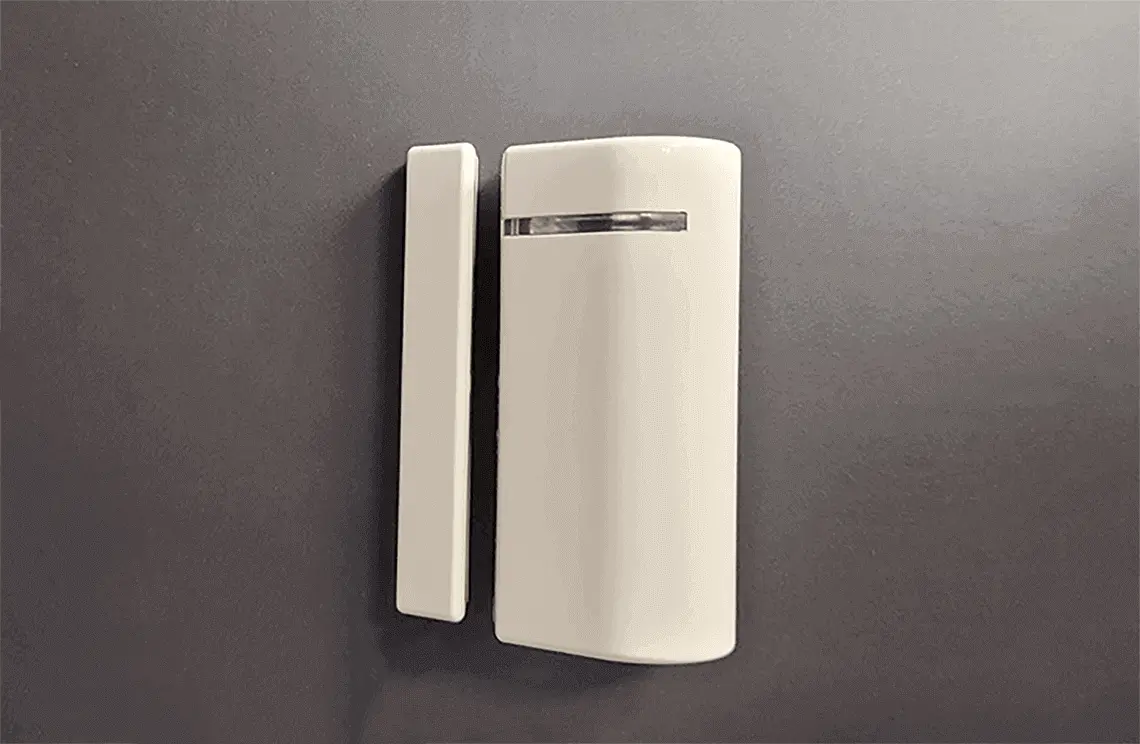 Some magnetic contacts are equipped with a "tilt function" that allows the window to remain in a tilted position when the alarm system is armed. This function is especially popular with alarm users on hot summer nights, but we strongly advise against using it. A tilted window at night is an open invitation for burglars and reinforces the saying "Opportunity makes the thief." In addition, tilted windows often cause cross-draft false alarms, which can lead to costly police deployments.
Alarm systems equipped with magnetic contacts enable so-called "perimeter monitoring," which makes partial arming of the alarm system possible.
This function is especially valuable for private homes, as it allows residents to move freely inside the house while the alarm system is armed.
Checking the status via the keypad of the alarm system to see which windows or doors in the property are still open is also a popular feature made possible by equipping the system with magnetic contacts.
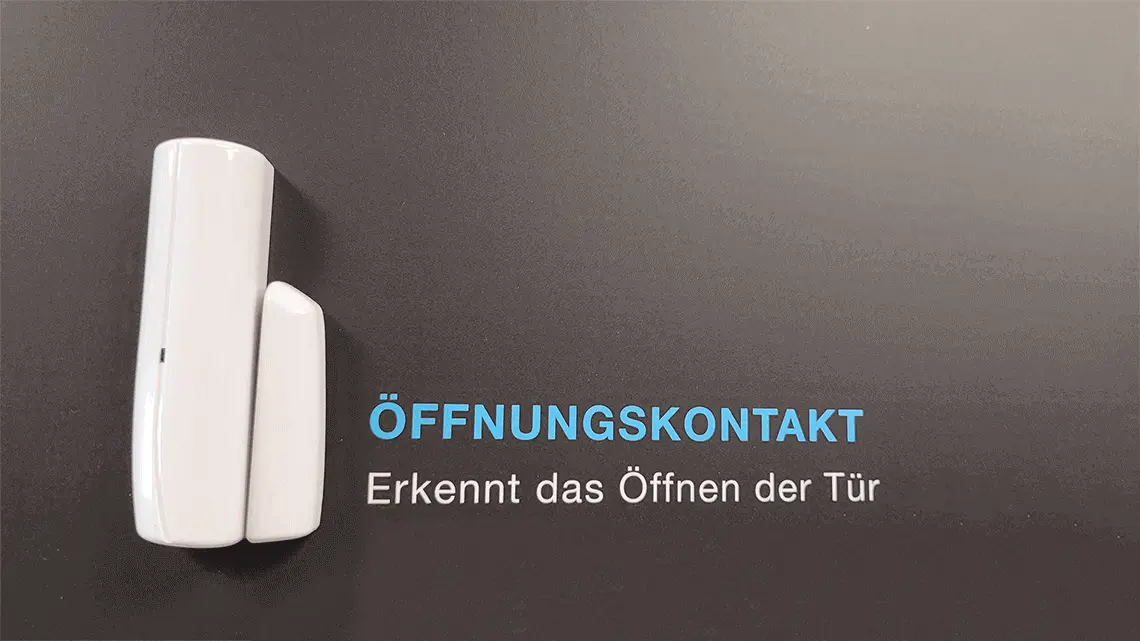 Our tip! Magnetic contacts are an efficient addition to the alarm system for implementing functions such as "perimeter monitoring" of the property. However, they are not a standalone solution and cannot replace other important alarm detectors such as door/window contacts or motion detectors. We generally recommend combining different types of alarm detectors, which, through professional planning of the alarm system, ensures consistent and reliable functionality of the security system.
Our tip! Magnetic contacts are an effective addition to the alarm system for implementing functions such as “building envelope monitoring” of the property. However, they are not a sole solution for replacing other important alarm detectors such as closing contacts or motion detectors. We generally recommend combining different types of alarm detectors, which, through professional planning of the alarm system, ensures continuous and reliable functionality of the security system.
Interesting categories of security technology and video surveillance
Learn more about the author of this content:

Tobias Nabinger
Mr. Tobias Nabinger has been active in the field of security technology since 2001. Over his more than 20-year professional career, Mr. Nabinger has built practical expertise in the planning and installation of intruder alarm and video surveillance technology. Under his project management, ESA GmbH and German Protect successfully completed a large number of projects for public institutions and organizations as well as industrial corporations. This experience has been continuously deepened since 2011 through numerous product and manufacturer certifications. A brief selection of his certifications: Telenot specialist installer and service center, planning and installation of intruder alarm systems in accordance with VdS 2311 and VDE 0833, Q-certified specialist for smoke detectors in accordance with DIN 14676, Videofied certified partner, Risco Certified, Jablotron certified partner, Ajax Alarmsystems specialist installer, rayTec Professional Partner, SimonsVoss Partner, certified Axis Solutions Partner, IHK-certified specialist in video security technology, Hikvision Diamond Partner, Vivotek Expert, Hanwha Security Engineering, Mobotix Advanced Partner, Avigilon Partner, Sony Video Security Gold Partner, Flir Partner, Eneo System Integrator, Bosch Partner, Seetec Professional, Milestone Partner, Wave Professional, Aimetis Certified, etc.