

Locking Elements
-
Product
range - Guide

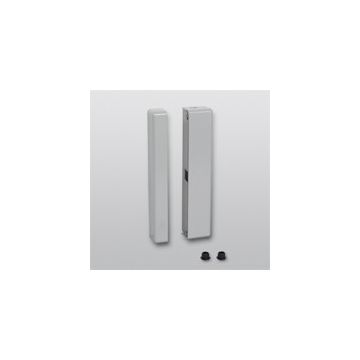
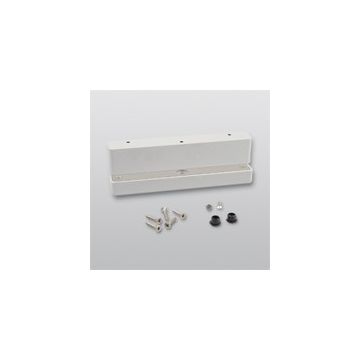


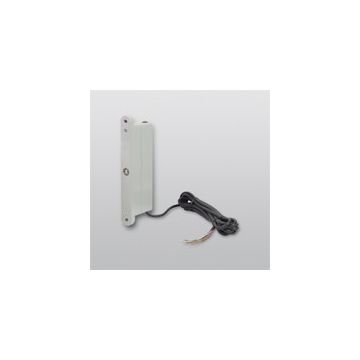
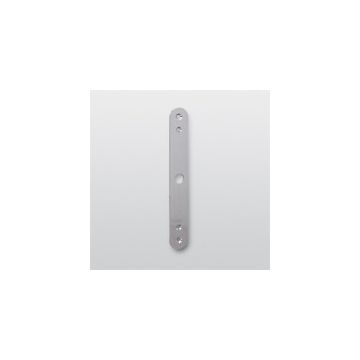
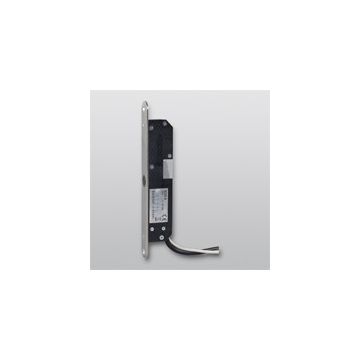


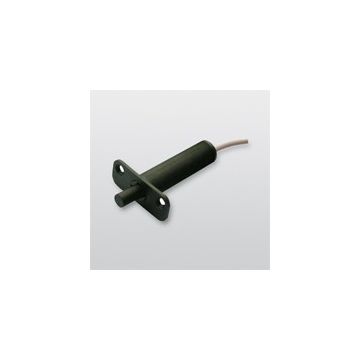
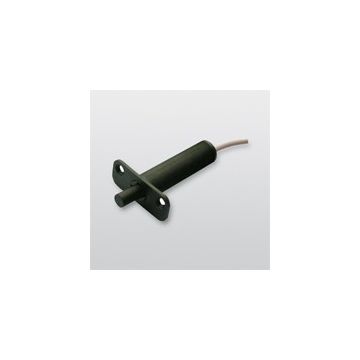


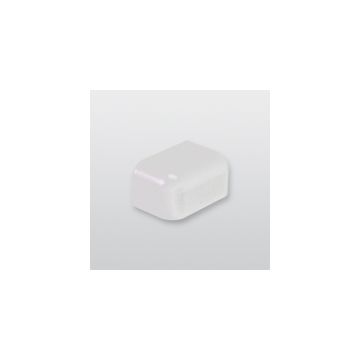


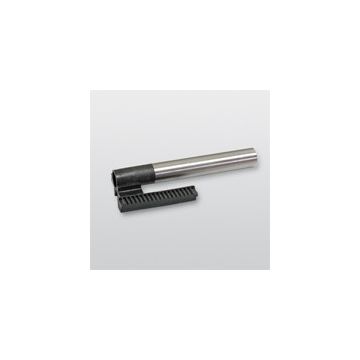
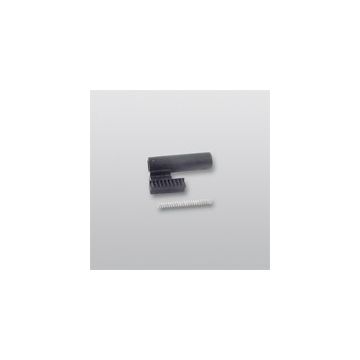




GUIDE
Locking Elements for Alarm Systems in Houses and Apartments
In a larger alarm system with multiple zones to be protected, locking elements are among the most important alarm detectors, ensuring the forced sequence of the alarm system. Locking elements are primarily used for mechanical locking of doors to prevent unsupervised entry into locked and armed security areas, thereby minimizing false alarms.
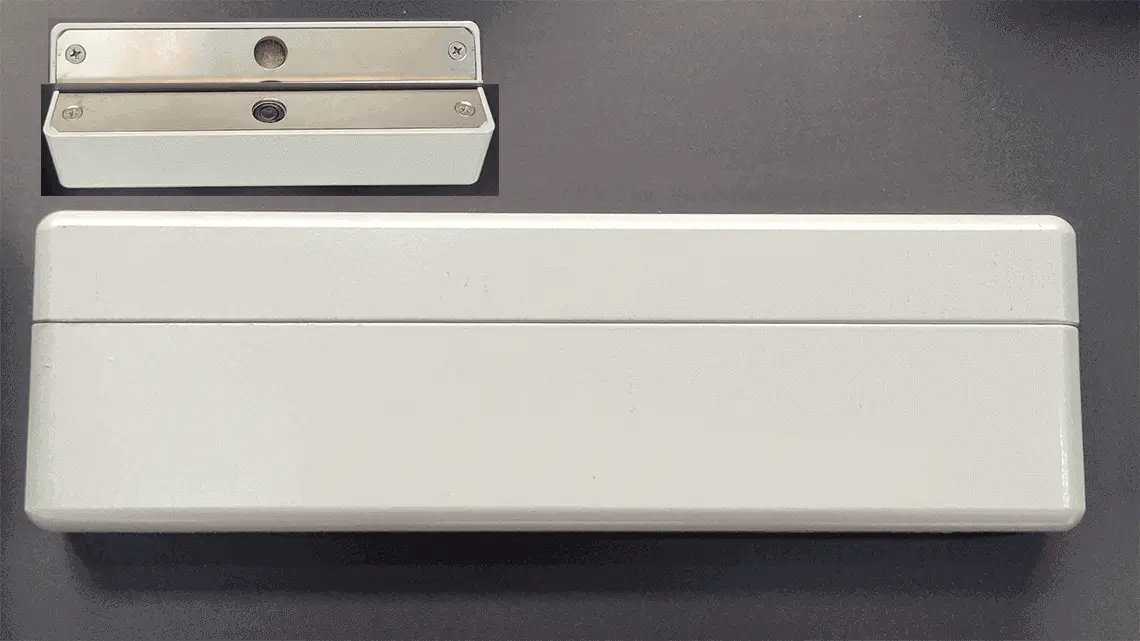
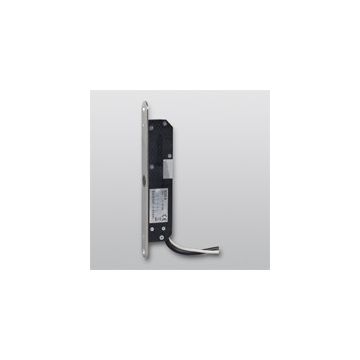
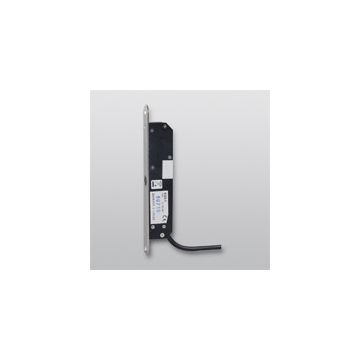
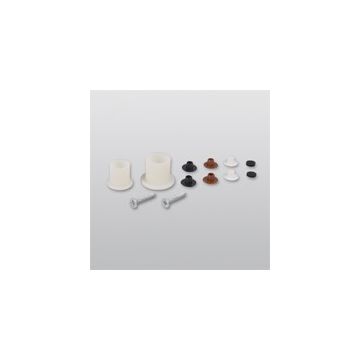
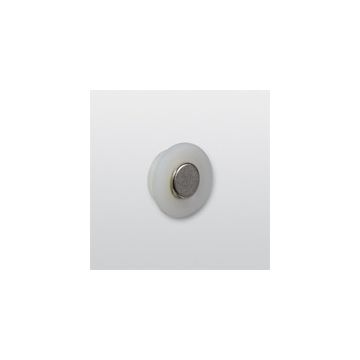
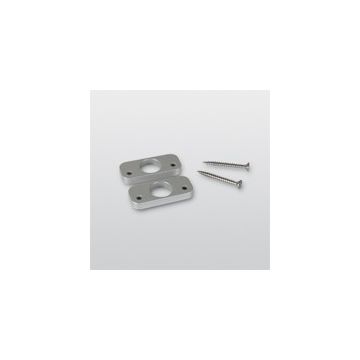
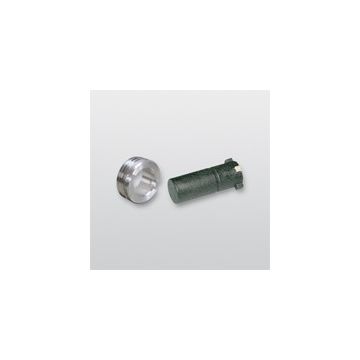
The locking elements can be recessed into the door (figure left) or mounted on the door (figure right). They contain a metal bolt that extends electronically into the door or into the counterpart of the locking element when the alarm system is armed.
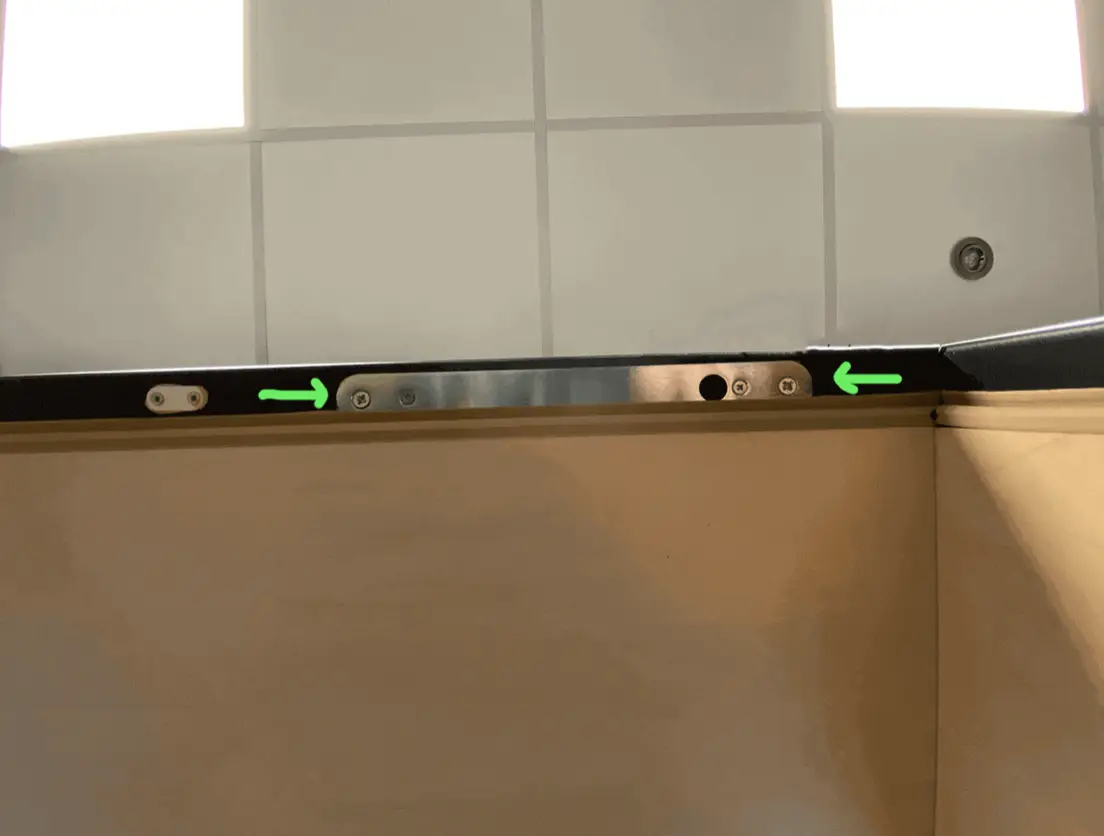
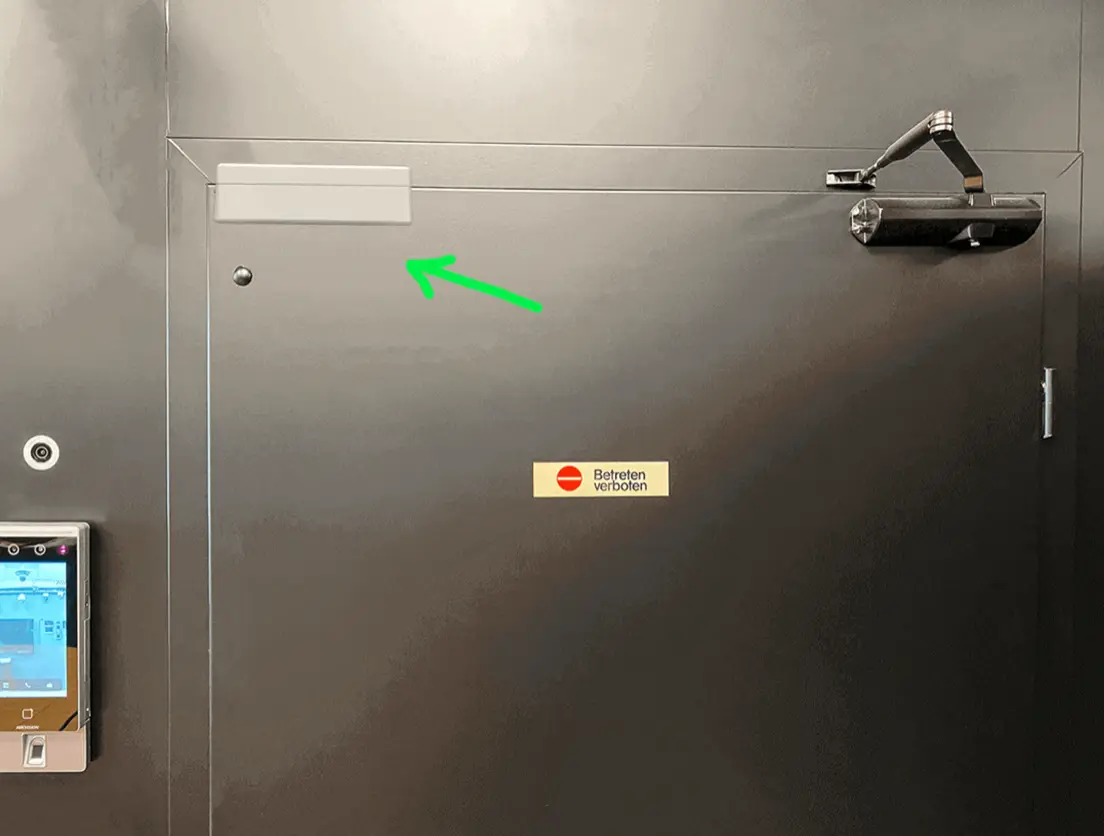
This provides additional protection for the door, preventing, for example, an employee who has a key to the door but is not authorized to disarm the protected zone from entering the especially secured area. The door may be unlocked, but the locking element remains extended and signals that the alarm system is still in the armed state. The metal bolts of the locking elements are equipped with a predetermined breaking point that can be broken off in an emergency by applying pressure to the door, releasing access.
Especially for doors leading outside that are equipped with a keypad for disarming the alarm system, equipping them with a locking element in addition to a door contact provides increased security. Alarm systems that require multiple authentications (touch key and code) for disarming often lead to unsupervised alarm triggering due to inattention or haste, especially in commercial settings. Installing a locking element effectively prevents and minimizes such false alarms, which can become costly in commercial properties.
For this reason, the VdS requires that commercial properties be secured by equipping all doors leading to the outdoor area with locking elements.
Locking elements are primarily available as a wired standard version for use with hardwired alarm systems. To equip a wireless alarm system with locking elements, wireless transmitters are required to connect the locking element to the wireless alarm control panel via radio.
Interesting Categories of Security Technology and Video Surveillance
Learn more about the author of this content:

Tobias Nabinger
Mr. Tobias Nabinger has been active in the field of security technology since 2001. Over his more than 20-year career, Mr. Nabinger has acquired practical expertise in the planning and installation of intrusion detection and video surveillance technology. Under his project management, ESA GmbH German Protect successfully completed a large number of projects for public institutions and organizations as well as industrial corporations. Since 2011, this experience has been continuously deepened through countless product and manufacturer certifications. A small selection of his certifications: Telenot Specialist Installer and Support Point, Planning and installation of intrusion alarm systems according to VdS 2311 and VDE 0833, Q-Certified Specialist for Smoke Detectors per DIN 14676, Videofied Certified Partner, Risco Certified, Jablotron Certified Partner, Ajax Alarmsystems Specialist Installer, rayTec Professional Partner, SimonsVoss Partner, Certified Axis Solutions Partner, Chamber of Commerce (IHK) Certified Specialist for Video Security Technology, Hikvision Diamond Partner, Vivotek Expert, Hanwha Security Engineering, Mobotix Advanced Partner, Avigilon Partner, Sony Video Security Gold Partner, Flir Partner, Eneo System Integrator, Bosch Partner, Seetec Professional, Milestone Partner, Wave Professional, Aimetis Certified, etc.