

Wireless Alarm Systems
- Categories
-
Product
range - Guide










GUIDE
Table of Contents: Wireless Alarm Systems
- What is a wireless alarm system, and how does it work?
- Which alarm components can be connected to a wireless alarm system?
- When should a wireless alarm system be preferred over a wired alarm system?
- Does it make sense to combine a wireless alarm system with a wired alarm system?
- Is a wireless alarm system more secure than video surveillance?
- What do I need to keep in mind when installing and commissioning a wireless alarm system?
- How much does a good, reliable wireless alarm system for my single-family home cost?
- Where should I buy my wireless alarm system?
- How worthwhile is it to connect a wireless alarm system to an NSL emergency call and service center?
1. What is a wireless alarm system, and how does it work?
A wireless alarm system controls your detectors wirelessly via radio.
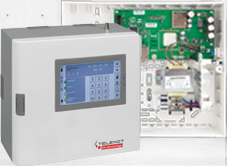
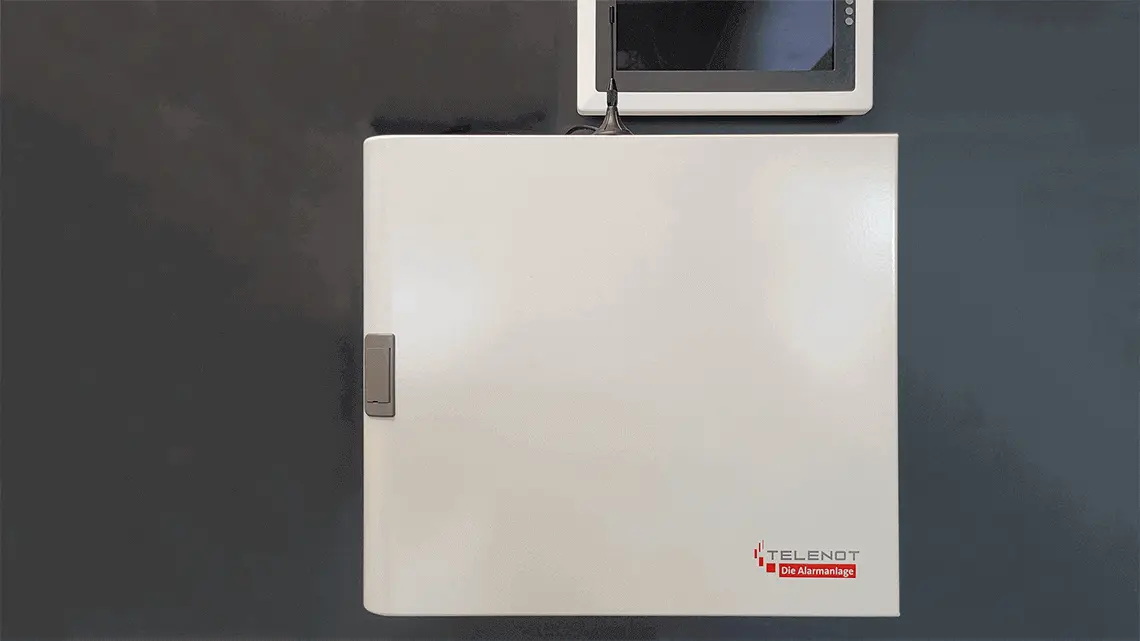
Such a system always includes a wireless alarm control panel to which all alarm components are connected and controlled via radio.
The wireless alarm control panel itself is connected to a power source. In the event of a power outage, the control panel continues to be powered by emergency backup batteries.
In a few exceptional cases, such as systems from the brand Videofied, a wireless alarm system can operate independently for several months without the wireless alarm control panel being connected to the power grid. Such wireless alarm systems are intended for mobile use as well as for buildings and sites where no power connection is available.
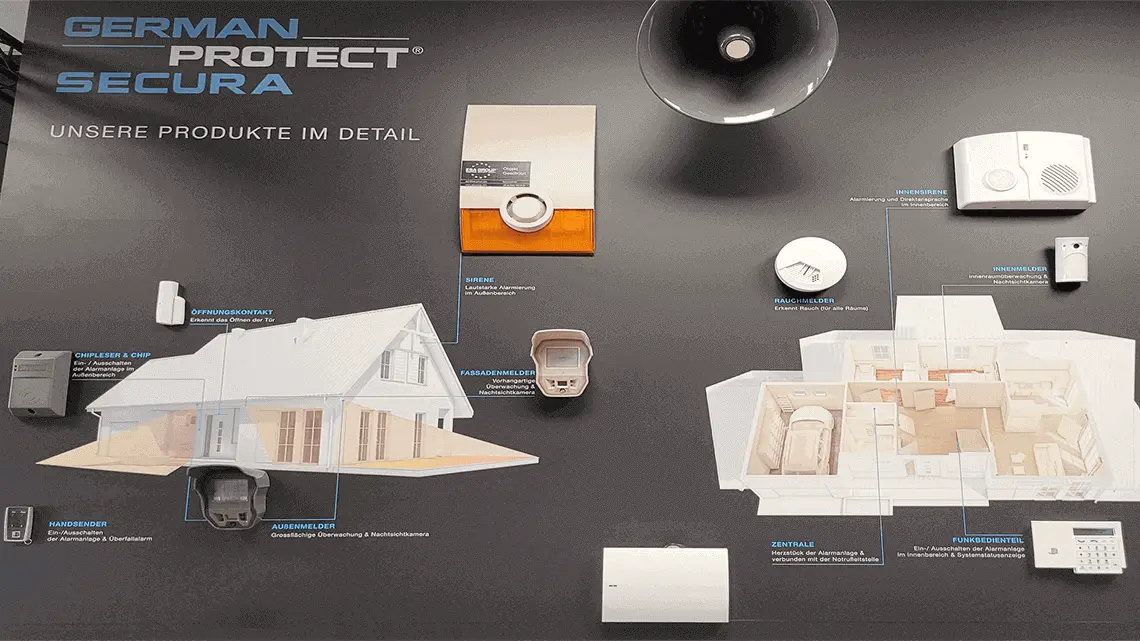
The wireless alarm control panel is the heart of the wireless alarm system. It not only processes all alarm messages and the status of the connected detectors, such as the wireless motion detectors or the wireless smoke detectors, but also initiates measures in the event of an alarm.
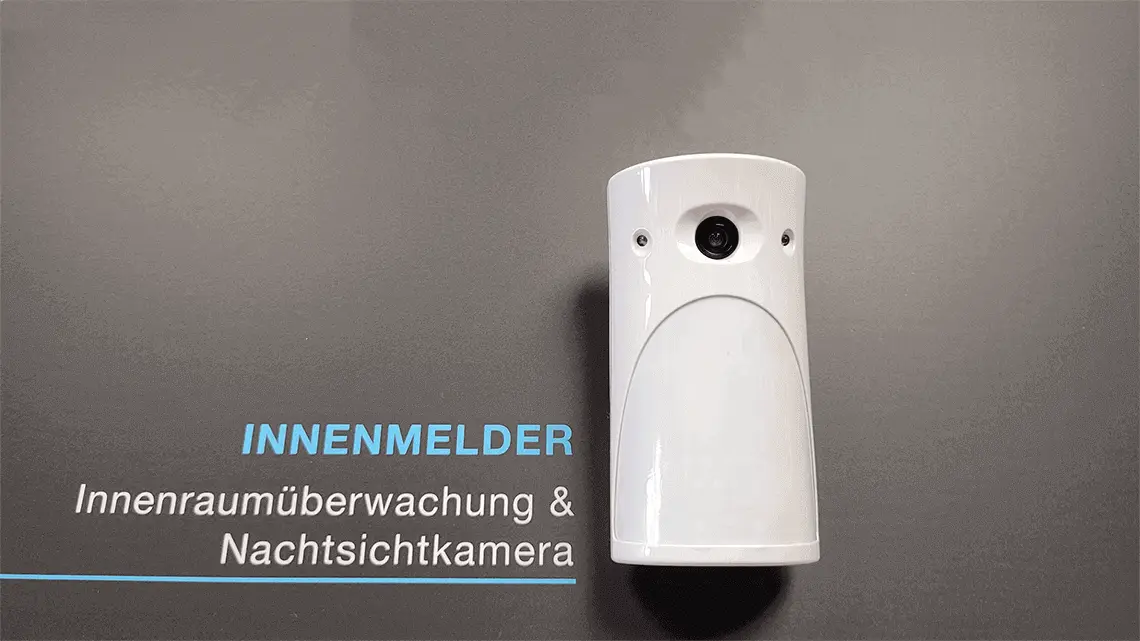
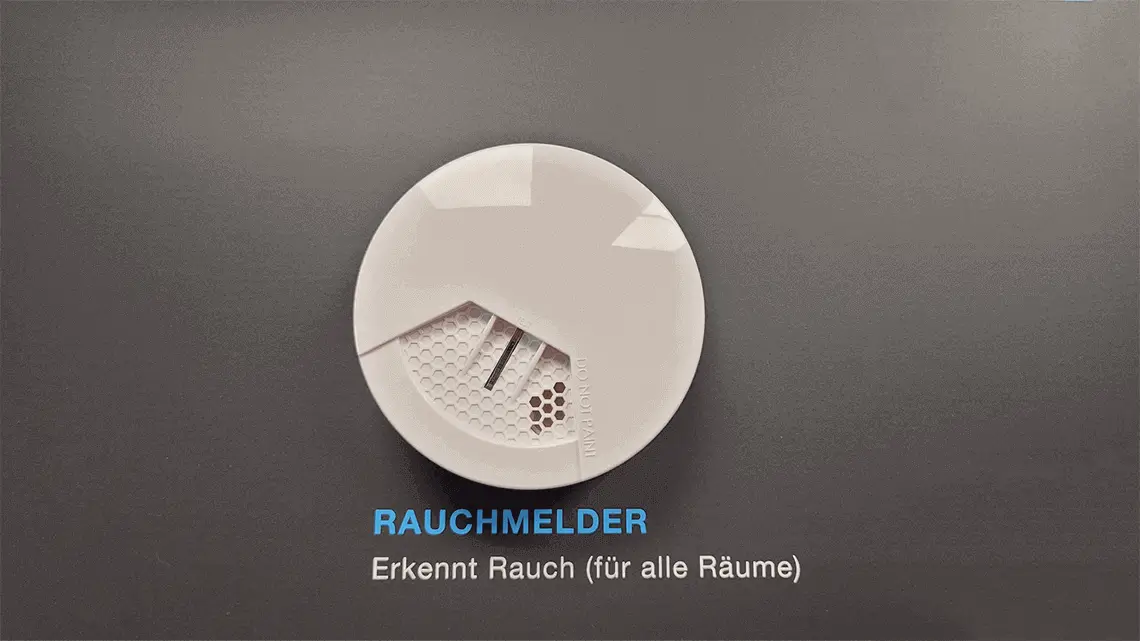
These measures include:
- On-site alerting via an alarm siren
- Mobile alerting on a cell phone via an app with push notification
- Alerting an NSL emergency call service control center, so that the police can be dispatched to the property.
The alarm notification is usually sent directly from the alarm control panel by the built-in dialer via GSM (cellular network) or via IP (network). This way, the wireless alarm system ensures dual-path transmission. If the network fails because the router loses power, the second path via GSM is automatically selected.
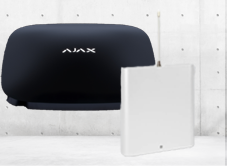
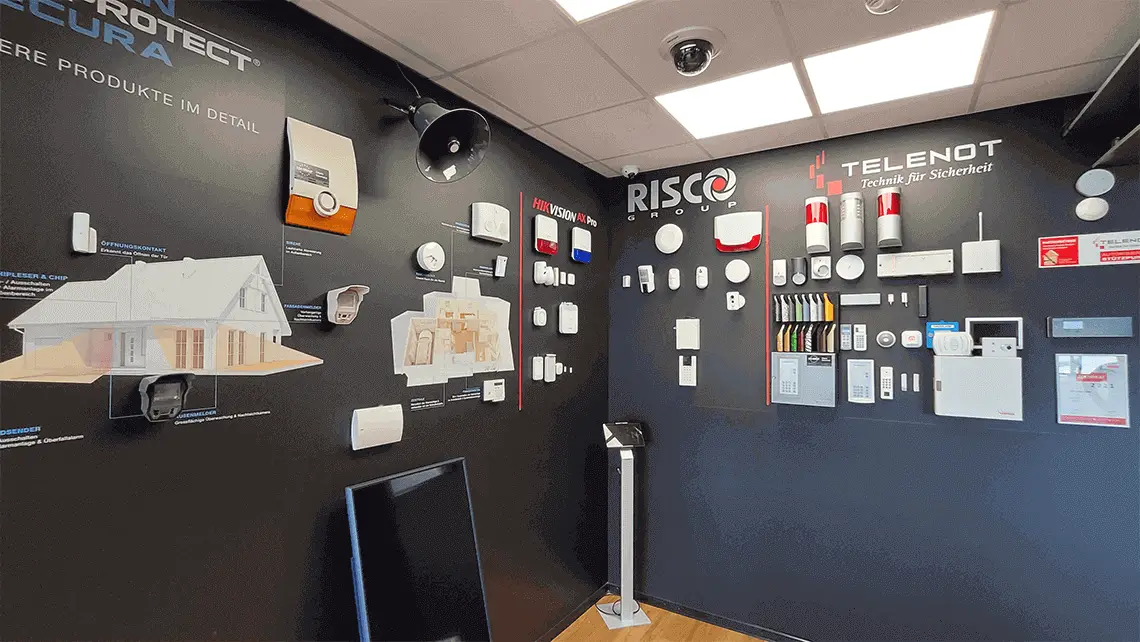
Modern wireless alarm systems from renowned manufacturers such as Telenot, Videofied, Ajax Securitysystems, Jablotron, and Risco additionally offer the option to switch on the lights on the grounds and inside the building, or to activate a component of the video surveillance system, such as a surveillance camera. Systems from all of the manufacturers mentioned can be found in our online shop.
2. Which components can be connected to a wireless alarm system, and which cannot?
Depending on the manufacturer, a very large number of alarm components that are standard for wired alarm systems can now be connected to a wireless alarm system.
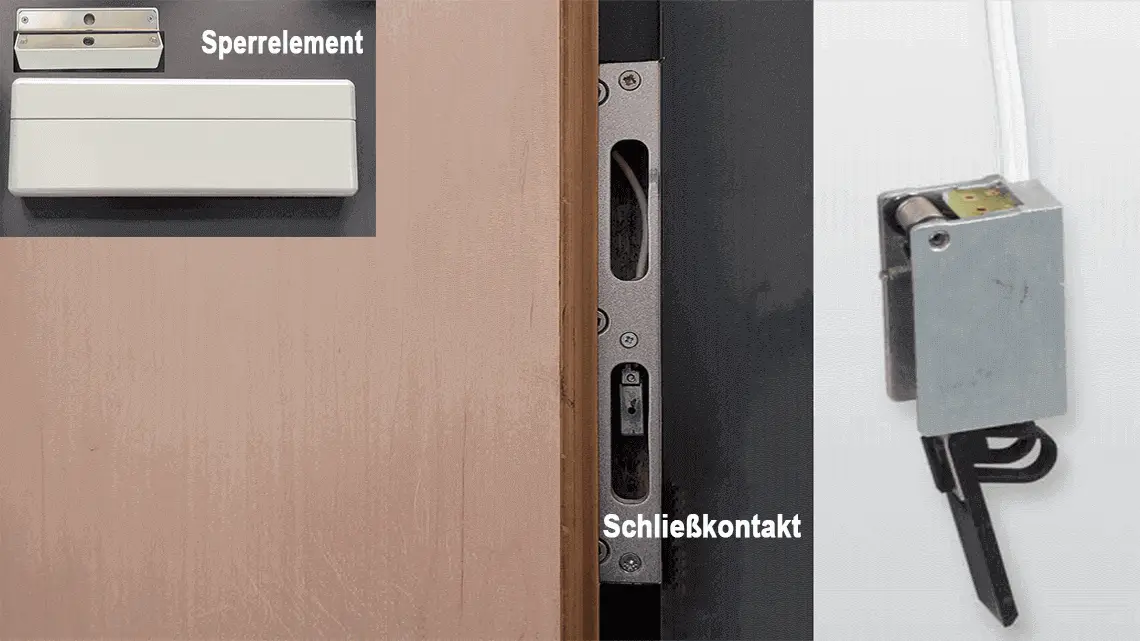
However, this does not apply to all security components: only very few manufacturers, such as Telenot, make it possible to connect full-fledged mechanical lock contacts, blocking elements or glass break detectors, for example. Wireless glass break detectors, which monitor a larger glass area from a distance, are less reliable at triggering an alarm than a wired glass break detector mounted directly on the pane. Such wireless glass break detectors should usually be treated with caution.
Manufacturers can currently only rarely offer the implementation of mechanical components such as for example lock contacts or blocking elements, which are very important for ensuring forced sequence (Zwangsläufigkeit) in an alarm system. For this reason, insurers often reject a wireless alarm system for protecting high-value assets.
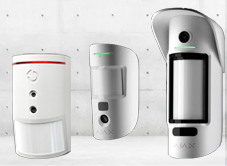
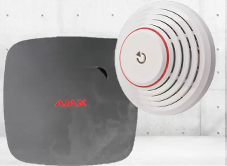
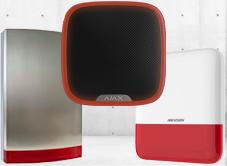
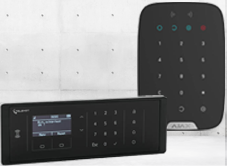
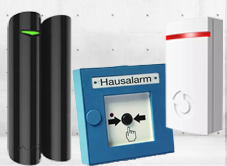
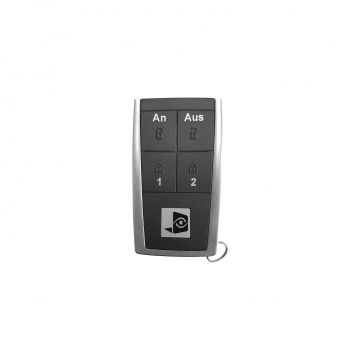
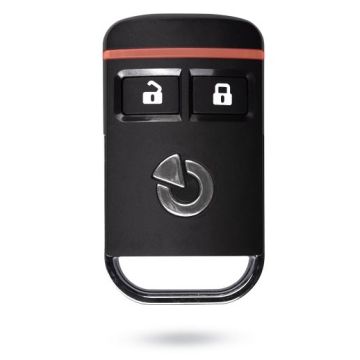
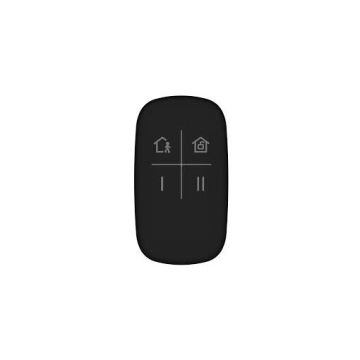
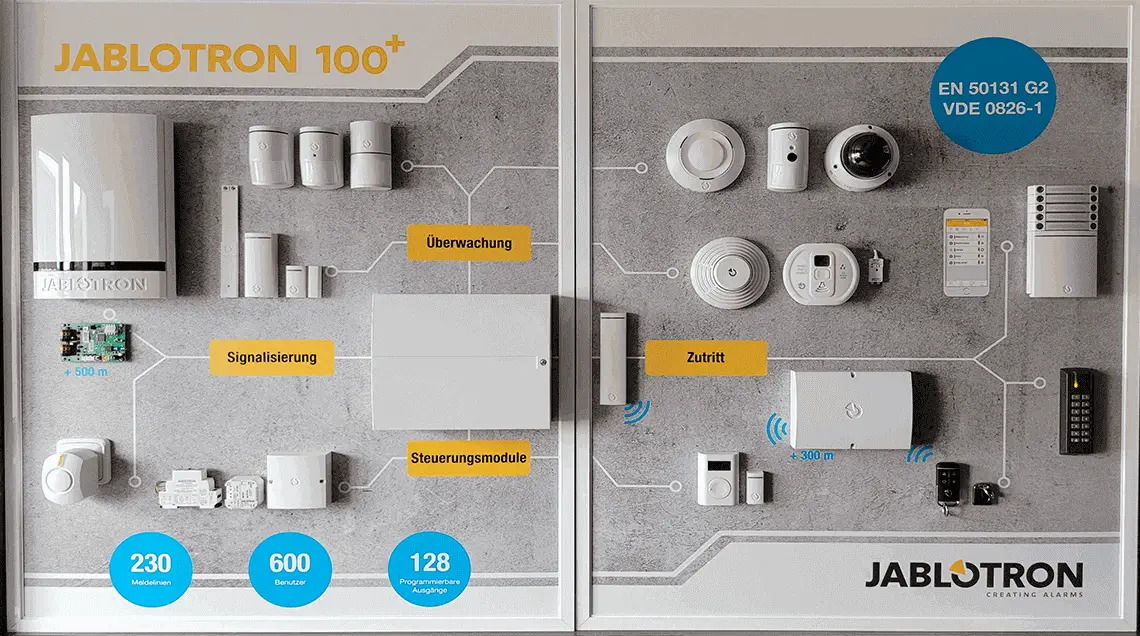
In general, all reputable manufacturers of wireless alarm systems offer the option of integrating many different alarm components that are necessary for adequate alarm protection of single-family homes. From wireless motion detectors and wireless window and door contacts to wireless smoke detectors, wireless keypads and wireless sirens, the equipment options for a wireless alarm system are very diverse. A wireless alarm system also makes it easy to implement smart home features such as light or blind control.
3. When should a wireless alarm system be preferred over a wired alarm system?
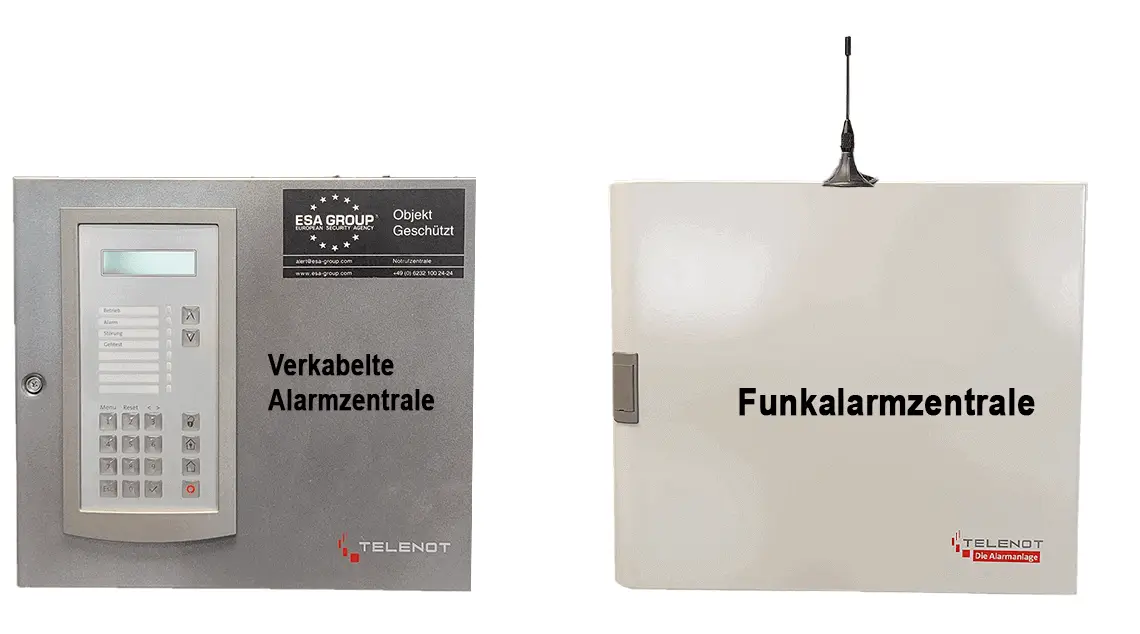
For new construction projects, security experts and the police always recommend a wired alarm system because of its higher reliability. Retrofitting an existing property is always more practical and more cost-effective with a wireless alarm system than with a wired alarm system.
Here it is necessary to weigh what you need the alarm system for. If the alarm system is used for general protection without particularly high-value assets, and VdS certification is accordingly not required, a wireless alarm system is often sufficient.
As a general rule, you should always discuss your plan to install a wireless alarm system with your property insurer beforehand. This helps you avoid unpleasant surprises in the event of a claim. In general, property insurers welcome the additional protection provided by a wireless alarm system. Combining a wireless alarm system with a wired alarm system, known as a hybrid alarm system, is often very worthwhile as well.
4. Does it make sense to combine a wireless alarm system with a wired alarm system?
Combining a wireless alarm system with a wired alarm system always makes sense when the outer shell of a property needs to be reliably secured, for example windows with wired glass break detectors and doors with mechanical closing contacts.
This significantly increases the reliability of the alarm system when it comes to avoiding false alarms. In addition, the option of installing closing contacts and blocking elements ensures forced sequence control of the alarm system. This means that alarm messages are only triggered in the event of an actual security incident.
Forced sequence control is extremely important for a reliably functioning alarm system and prevents false alarms, for example by making it impossible to accidentally enter a secured area.
To ensure that the police can respond reliably in the event of an alarm, compliance with forced sequence control is necessary.
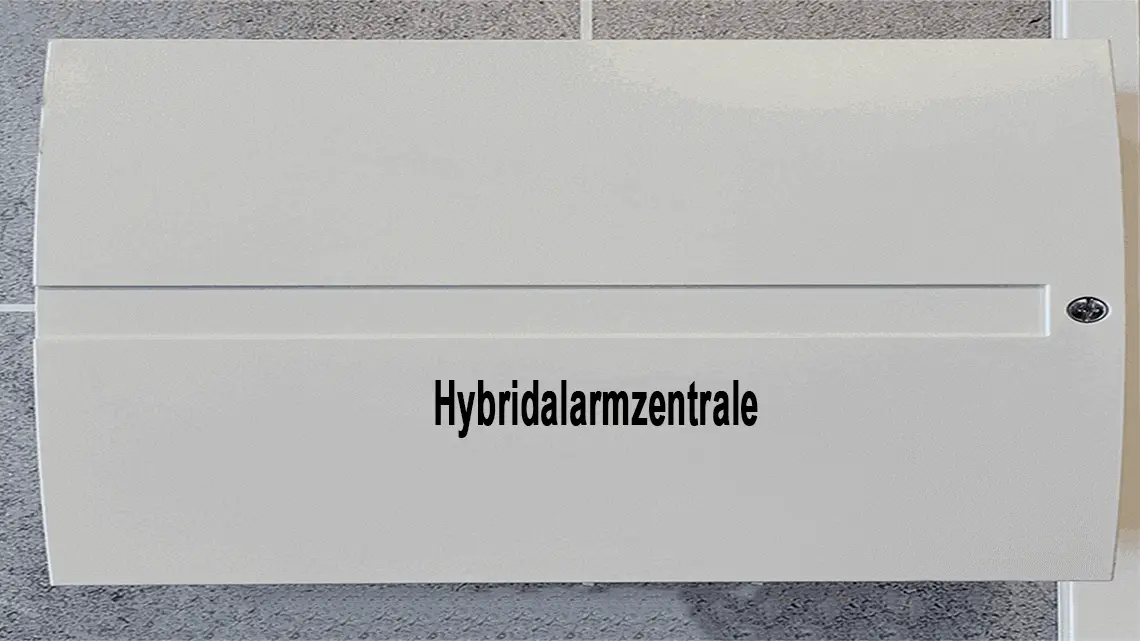
The combination of wireless and wired alarm components in one alarm control panel is called a hybrid alarm control panel. With a hybrid alarm control panel, you can connect wireless and wired detectors by using additional or already existing plug-in boards. A hybrid alarm system can usually be configured as needed, but it is difficult for laypersons to program and install.
Before purchasing a hybrid alarm system, we recommend consulting a security specialist dealer and getting detailed advice. We at German Protect are happy to put our experience at your disposal.
5. Is a wireless alarm system more secure than video surveillance?
Even though many manufacturers now offer wireless alarm systems with video verification, comparing a wireless alarm system with a surveillance camera or a video surveillance system is difficult.
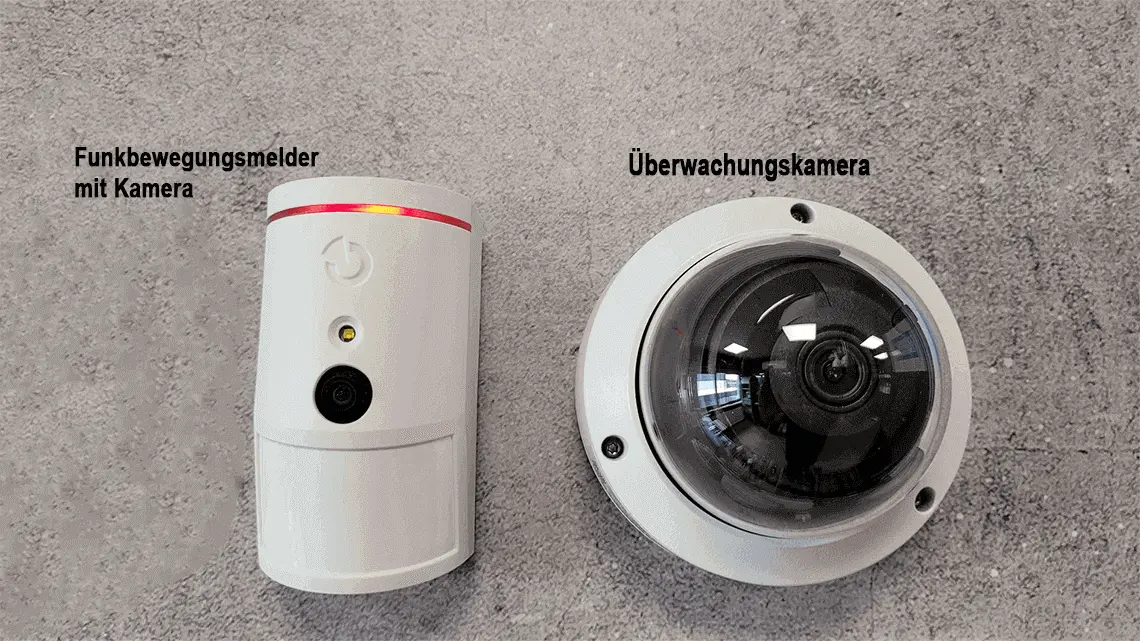
A camera that is integrated into the motion detector of an alarm system and is responsible for capturing the video sequence when an alarm is triggered cannot replace a surveillance camera. The wireless detector sends a video stream that, depending on the settings, is a maximum of 15 seconds long. This video sequence serves the NSL emergency call service control center only to check the incoming alarm, that is, to verify it. If it is a genuine alarm, such as one triggered by a burglar, the police are dispatched to the property with the message "verified alarm, imminent danger."
A verified alarm offers advantages over an unverified alarm in terms of police response time. A verified alarm is always prioritized and given preferential treatment by the police.
There are considerable differences between a surveillance camera and a wireless motion detector with a camera.
While data protection regulations mean there is no way to receive live images from a wireless motion detector with a camera, a surveillance camera is able to send live images at any time. The purpose of an alarm system is to raise an alarm. A video surveillance system can also raise an alarm to a limited extent, but fundamentally it is only responsible for monitoring.
An efficient combination of video surveillance and an alarm system significantly increases the protection of a property or premises. That is why many manufacturers such as Jablotron or Risco combine the cameras in the motion detectors of an alarm system with surveillance cameras.
Our tip! For large and more complex alarm systems as well as video surveillance, we recommend setting up two separate systems that can work together.
6. What do I need to consider when installing and commissioning a wireless alarm system?
Setting up a wireless alarm system is often easier for a layperson than installing a wired alarm system. Pairing the wireless detectors with the wireless alarm control panel is usually done quickly by activating the detector or its tamper button.
A wireless range test from the alarm detectors to the wireless alarm control panel should be carried out before installation.
Procedure for installing and commissioning a wireless alarm system:
- The wireless alarm control panel should be placed as centrally in the building as possible.
- The range of the wireless detectors to the wireless alarm control panel should be determined, for example, by walking to the mounting location with the wireless motion detector that is already enrolled in the alarm control panel. If the wireless range is not sufficient, a wireless repeater is required.
- Communication of the dialer for alarm messages must be ensured on both transmission paths (IP and GSM).
- The “forced arming sequence” of the wireless alarm system must be ensured.
- The entire functionality of the wireless alarm system should be checked with a “walk test.”
Our tip! During the first 14 days, until you and your family members have gotten used to your new wireless alarm system, we advise operating the alarm siren with the flashing light only, not audibly. This helps you avoid an unintentional audible alarm and saves a lot of trouble with the neighbors.
But be careful! Many alarm detectors offer various programming options for different applications so that reliable operation can be ensured. For this reason, a wireless alarm system should only be purchased from online shops that have specialist expertise and can provide support for any questions that may arise after the purchase.
Installing a wireless alarm system is also easier than installing a wired alarm system, because the tedious task of running cables is eliminated. The wireless detectors are usually battery-powered and can be mounted without any special effort.
Important points to keep in mind during installation:
- The right selection of wireless detectors for each area of application.
- Observe the correct mounting height for the wireless detectors.
- Do not mount infrared wireless motion detectors facing windows.
- For wireless smoke detectors, observe the mounting distance from the wall.
- Place the alarm control panel in a central location in the building, but out of sight from the outside.
But be careful! Just like setting up a wireless alarm system, installation also requires a sufficient level of knowledge of alarm technology. To avoid false alarms caused by incorrectly mounted wireless detectors, the mounting location and the selection of the respective wireless detectors are very important. Buying from online shops such as Amazon or eBay often leads to a lot of trouble due to incorrect installation and the false alarms it causes.
Look for an online shop that also offers you support as a customer after the purchase and is happy to help with questions. Our qualified technicians at ESA GmbH GermanProtect are glad to be at your disposal for any questions.
7. How much does a good and reliable wireless alarm system for my single-family home cost?
The emphasis here should be on "reliable." Prices vary greatly from one manufacturer to another.
The parts used in the wireless components contribute considerably to the reliability and longevity of an alarm system. The higher the quality of the components in an alarm system, the more expensive it is.
The cost of an alarm system also depends on how extensively the customer wants to secure the property. If the customer places great importance on an even distribution of alarm devices for indoor use via motion detectors, as well as on perimeter shell monitoring via door/window contacts or glass break detectors, they will need a correspondingly more expensive, but also more effective alarm system.
Perimeter shell monitoring plays a key role in triggering the alarm not only once the intruder is already inside the property, but before that point. Perimeter shell monitoring is also important at night and provides protection while you sleep.
To produce a reliable cost estimate, a qualified on-site risk assessment of the property by a specialist company is necessary. In our opinion, online calculators that let customers put together an alarm system themselves and encourage them to buy are not reliable and should be treated with caution.
Sample calculation for a wireless alarm system
To show the realistic costs of professional, long-lasting protection with a wireless alarm system for a single-family home of 170 square meters, we have divided the systems into three categories of varying complexity:
Category I: Basic protection
Basic protection consists solely of interior protection using motion detectors, without perimeter shell protection. The wireless alarm system is operated exclusively via app. Costs including installation, depending on the specialist company and manufacturer: 1,500 to 1,800 euros
Category II: Medium protection
Medium protection consists of interior protection and partial perimeter shell protection, including wireless smoke detectors. Costs including installation, depending on the specialist company and manufacturer: between 2,900 euros and 3,700 euros.
Category III: Complete protection
Complete protection consists of interior and perimeter shell protection, including wireless smoke detectors. In addition, protection for outdoor use is possible with infrared motion detectors with video verification. Costs including installation, depending on the specialist company and manufacturer: 4,800 to 7,500 euros
The following applies to all price examples: reputable, durable manufacturers, plus consultation and installation by a specialist company.
Our tip! When calculating the cost of a wireless alarm system, it is important to check which services the company offers you and to what extent they are chargeable. What about follow-up costs? Do you have a contact person who will help you promptly if there is a problem, or will you have to wait weeks for a solution?
We, ESA GmbH German Protect, as a specialist company for security technology, offer our customers the following free services, for example:
- Telephone support with a personal contact person.
- Technical support with remote access to the alarm system for fast troubleshooting at no cost.
- Depending on the security category, between 3 and 12 months of free alarm monitoring connection to an NSL emergency call service center in Germany. After this period, we will continue to offer you very affordable contract terms with no hidden costs.
- Depending on the security category, the first annual maintenance is free of charge.
8. Where should I buy my wireless alarm system?
The intention behind purchasing an alarm system is usually to protect your family and home reliably and as well as possible. To achieve this over the long term, products from reputable manufacturers and reliable partners are essential.
Important points to consider when deciding where to buy a wireless alarm system:
- Only buy from a specialist retailer that offers expert, well-founded advice.
- Test the advisory services and support by calling the provider first.
- Buy from a provider that guarantees customer support in writing, even after the purchase.
- Do not trust online shops that lack certifications from the respective alarm system manufacturers.
- Avoid buying from Amazon, eBay and other non-specialized online shops, where the focus is mainly on sales rather than on service for the products.
Conclusion: Buying cheap often ends up costing more in the end.
Connecting your alarm system to an NSL emergency call service center?
As a specialist installer of security technology, we advise all of our customers who purchase a wireless alarm system from us to connect it to an NSL emergency call service center.
Advantages of an alarm monitoring connection:
- Continuous and reliable 24/7/365 monitoring of the alarm system and the alarm inputs.
- Short response time and targeted, uncompromising intervention by the police.
- More affordable than a cell phone contract, and far more vital.
- Improves quality of life with the feeling of having an invisible bodyguard at your side who watches over your family and sends immediate help in an emergency.
Conclusion: An efficient wireless alarm system can reliably raise the alarm. However, if you cannot react immediately, for example because you are in the sauna or at the theater, the benefit of the alarm system is limited. So don't forget: this is a security protection device, and the rule is: "better safe than sorry."