

Video surveillance with audio: Is it allowed?
Some surveillance cameras and video surveillance systems offer the option of making audio
recordings. But is audio surveillance actually permitted at all?
When monitoring a house, an office or a property, people usually refer to video, meaning the recording
of moving images. This makes it possible to quickly and reliably detect unauthorized activities such as
for example the unauthorized entry onto a property.
From a legal standpoint, video surveillance is possible if certain conditions are met and, for example,
steps are taken to ensure that public areas or the neighbor's property are not within the field of view of the cameras.
The situation is different for surveillance using audio recordings. These are generally
not permitted in video surveillance. This means that when using cameras with
microphones, the microphones must be deactivated. In addition, steps must be taken to ensure that
any audio recordings are deleted immediately should they have been recorded by mistake
.
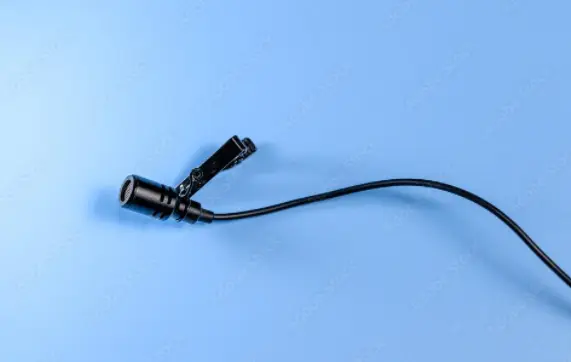
Audio recordings cannot be spatially restricted
The reason for this rule is clear: unlike video recordings, audio recordings cannot simply
be limited to specific areas. For example, there is no way to ensure
that the audio recorded by a surveillance camera at a private single-family home captures only the sounds
that occur on that particular property. Conversations of neighbors or sounds
originating from events taking place on the street in front of the house could also be recorded
in this way.
Audio recordings are especially critical in the workplace
In the workplace, the purpose of the ban on audio recordings becomes even clearer. If these
were permitted, confidential conversations between employees could be recorded, for example.
Eavesdropping on conversations constitutes a violation of the confidentiality of spoken words, an
offense regulated in Section 201 of the German Criminal Code (StGB). A violation of this law can be punished
with a prison sentence of up to three years (up to five years for public officials and persons with special
obligations in the public service) or with a fine.
The principle here is that conversations are generally considered private and therefore protected. This applies
even and especially when, for example, an employee is accused of using the company phone mainly for private calls.
Can the audio function of a surveillance camera be activated if you have
caught an intruder and want to speak with them?
Some surveillance cameras are equipped with both a speaker and a microphone for
two-way communication. This makes it possible, for example, to get in touch with
people who have entered a property or building without authorization.
However, care must be taken to ensure that the microphone is only activated in the case of actual
violations. In addition, audio should not be recorded even then.
Whether and in which cases the use of a microphone on a surveillance camera is permissible
should, when in doubt, be clarified with a legal expert.
To be on the safe side, the use of a microphone for surveillance is advised against
even in such situations.
Conclusion
Audio recordings made by surveillance cameras violate the law and can result in
severe penalties. Although there are various camera models that have a microphone, the
microphone should be deactivated on these. Whether and which exceptions are possible should
be clarified in advance with a legal expert.


