

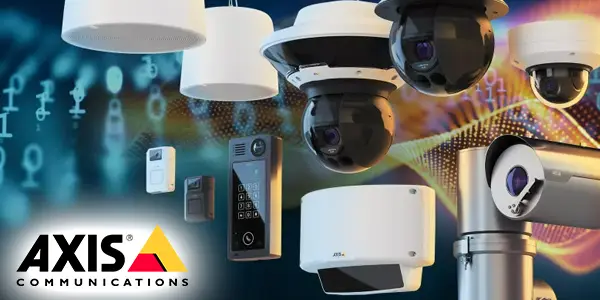
Axis Communications has received certification under the ETSI EN 303 645 cybersecurity standard. The certification applies to a large number of Axis products that run AXIS OS 11 or later. It covers more than 150 current Axis devices as well as future products from Axis Communications. AXIS OS is the Linux-based operating system on which most Axis network products are built. The certification was issued by Underwriters Laboratories and carried out at one of its testing facilities in the United States. In the future, Axis will test and update this certification regularly to maintain its validity for upcoming products.
Security Requirements for Hardware and Security Features
The ETSI EN 303 645 standard contains 68 provisions on technical requirements that form the basis for the cybersecurity of networked devices. The requirements cover the devices themselves as well as support for hardware-based security functions such as secure key storage, and standard security features such as enabled HTTPS and the elimination of default passwords.
Lifecycle management is also included in the certification. This includes, for example, defining a set support period for security updates for the devices. Further aspects include measures to reduce the risk of vulnerabilities in software development, a transparent policy for vulnerability management, and support for proven practices when processing personal data.
Adhering to these requirements is intended to ensure that certified products maintain the highest possible level of security throughout their entire lifecycle.
ETSI EN 303 645 Internationally Relevant
ETSI EN 303 645 was developed by the European Telecommunications Standards Institute (ETSI), an independent, non-profit organization for standardizing information and communication technologies. Although developed in Europe, the standard is relevant for global use. The standard closely aligns with other standards, certifications and legislation on cybersecurity in various industries and in the following countries/regions:
- European Union (EU Cybersecurity Resilience Act, EU Radio Equipment Directive)
- Finland (Finnish Cybersecurity Label)
- Germany (BSI – IT Security Label)
- United Kingdom (UK Product Security and Telecommunications Infrastructure Act & Code of Practice for Consumer IoT Security)
- USA (NIST IR 8425, Cyber Trust Mark)
- India (TEC Code of Practice for Securing Consumer Internet of Things)
- Vietnam (Cyber Information Security Requirements for Internet of things)
- Singapore (Cybersecurity Labelling Scheme)
- Australia (Code of Practice – Securing the Internet of Things for Consumers)
The standard is freely available on the ETSI website. Third-party certifications based on relevant open standards can be used to demonstrate conformity with current or future legislation.
However, cybersecurity goes beyond certifications. Axis, for example, supports zero-trust networking, has launched a bug bounty program and pursues a device-oriented approach to cybersecurity.
Do you have questions about the cybersecurity of video surveillance products, such as surveillance cameras? Then feel free to contact us. Our security experts at German Protect look forward to hearing from you.


